

Comfrey Oil is widely recognized today in natural craft circles and botanical product communities, but its roots stretch deep into human history. For centuries, comfrey has held a place in fields, gardens, and traditional plant practices, especially across Europe and Asia. Comfrey Oil—made through the simple process of infusing comfrey leaves or roots into a carrier oil—became part of this heritage along the way.
This guide takes a closer look at how comfrey became important historically, where Comfrey Oil originated, and how different cultures incorporated this versatile plant into their traditional lifestyles.

The Ancient Presence of the Comfrey Plant
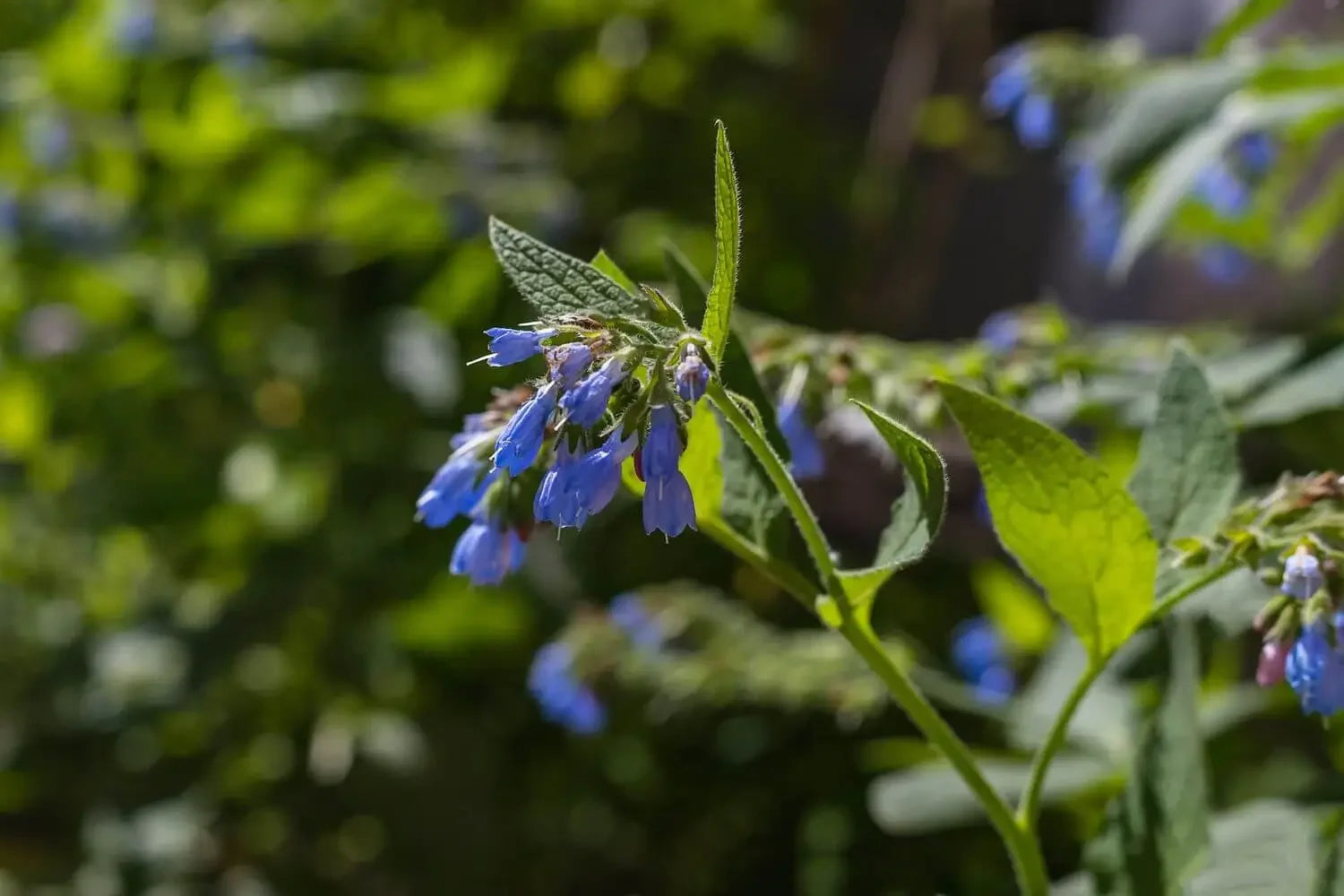
The story of Comfrey Oil begins with the comfrey plant itself, scientifically known as Symphytum officinale. This hardy perennial has been part of human environments for thousands of years. Archaeobotanical findings and old herbals suggest that comfrey grew along riverbanks, wetlands, and agricultural edges throughout ancient Europe and parts of Western Asia.
Comfrey’s notable characteristics—large leaves, deep roots, and resilience—quickly drew the interest of farmers, foragers, and early herb enthusiasts. Because it thrived in moist soils and regrew rapidly after harvest, comfrey became a familiar sight around homesteads, cottage gardens, and monastery herb plots.
As these communities worked closely with the land, comfrey naturally wove itself into daily agricultural traditions and botanical practices.
Where Comfrey Oil Originally Came From
Unlike essential oils, which require steam distillation technology, Comfrey Oil is a macerated oil—made through the infusion of plant material in a liquid carrier oil. This means Comfrey Oil likely first emerged in regions where both comfrey plants and plant-based oils were readily available.
Europe: The Early Hub
Comfrey was native to Europe, especially Central and Eastern regions. Historically, people in these areas infused herbs into oils or fats as part of food preparation, household tasks, and general plant use. These time-honored methods provided a simple way to extract botanical constituents without specialized tools.
It is widely believed that Comfrey Oil originated:
-
In rural European communities
-
Within monastic herb gardens
-
Among traditional home herbalists
-
In regions where olive oil, animal fats, or seed oils were common
The idea was straightforward: combine dried comfrey leaves or roots with oil, allow the infusion to unfold over time, and then strain the mixture to produce a usable botanical oil.
Spread Across Asia
As comfrey cultivation expanded through trade routes, farming, and the movement of botanical knowledge, oil infusions spread to different regions. Over time, comfrey’s presence reached parts of Asia, including areas where herbal traditions were already strong. While comfrey itself was more prominent in Europe, the concept of botanical oil infusions made it adaptable across cultures.
Comfrey in Medieval and Renaissance Herbals
The documentation of comfrey in written texts gives us a clearer look into its historical and cultural role. Medieval herbals—illustrated manuscripts used by healers, monks, and scholars—frequently mentioned comfrey alongside other well-known plants.
These texts often included:
-
Detailed drawings of comfrey’s bell-shaped flowers
-
Notes on how the plant was typically used
-
Explanations of how it fit into broader herb gardens
-
References to preparations such as poultices, teas, and infusions
Although these herbals were not scientific by modern standards, they provide valuable insight into comfrey’s importance in traditional societies.
By the Renaissance period, comfrey had become widely referenced in botanical literature across Europe, indicating its established place in the natural world of the time.
Cultural Connections of Comfrey Across Different Regions
Comfrey Oil may not have existed in every culture, but the plant itself held meaningful roles in various communities.
**1. European Rural Culture
In many European villages, comfrey grew near barns, homes, and livestock areas. Farmers valued it as a fast-growing green plant for their gardens, and families often used it in traditional home remedies.
Comfrey Oil—being easy to make and store—likely served as a general-purpose infused oil in these rural households.
2. Monastic Botanical Traditions
Medieval monasteries were centers of botanical knowledge. Monks cultivated organized herb gardens and recorded detailed information about plants. Comfrey frequently appeared in these spiritual and agricultural environments.
Oil infusions like Comfrey Oil aligned well with monastic practices, which favored simple, natural preparations.
3. Slavic and Eastern European Practices
In Slavic cultures, comfrey had strong ties to soil, farming, and home-based plant traditions. It was commonly grown near homesteads and used by families who passed down plant knowledge through generations.
Comfrey Oil may have been part of stored household goods, particularly in regions where seed oils (such as sunflower oil) were already in use.
4. Asian Adaptations
While comfrey was not native to East Asia, its introduction to certain regions led to cultural experimentation. Communities familiar with herbal infusions incorporated comfrey into traditional botanical methods and oil preparations.
Comfrey Oil in Folk Traditions and Stories
Throughout history, comfrey has also appeared in folklore. Although much of this storytelling is symbolic rather than factual, it reveals how deeply rooted the plant was in the imagination of certain cultures.
Folklore themes often included:
-
Protection of livestock or homes
-
Associations with prosperity in gardens
-
Myths about plants that grow near water
Comfrey’s large leaves and impressive height made it stand out in fields, contributing to its presence in rural storytelling.
The Evolution of Comfrey Oil in Modern Times
Today, Comfrey Oil has moved from traditional kitchens and gardens into modern natural product development. While it is always important to avoid health claims, its historical and cultural legacy continues to influence how people view it.
The modern revival of botanical crafting has given Comfrey Oil renewed popularity in artisanal circles, especially among those interested in:
-
Traditional plant practices
-
DIY herbalism
-
Handmade beauty and lifestyle products
-
Natural formulations
-
Earth-inspired craftwork
Many small businesses and hobbyists appreciate Comfrey Oil not only for its botanical roots but also for its connection to long-standing cultural traditions.
A Symbol of Plant Heritage
Beyond its practical uses, Comfrey Oil represents a fascinating intersection of agriculture, botany, and cultural history. It reflects:
-
How communities interacted with plants in the past
-
How traditional knowledge traveled and evolved
-
How simple preparations like oil infusions became meaningful household practices
In many ways, learning about Comfrey Oil is like tracing a botanical timeline stretching from ancient riverbanks to today’s natural product shelves.
Final Thoughts
Comfrey Oil’s story is one of heritage, tradition, and cultural continuity. From old European gardens and monastery herb plots to modern artisanal workshops, it has remained a respected botanical infusion across centuries.
Its enduring presence demonstrates how human communities value the natural world—not just for practical purposes, but also for the traditions, stories, and cultural connections that come with it.