

Rosehip oil is a natural oil derived from the seeds of wild rose plants, most commonly Rosa canina or Rosa rubiginosa. Known for its rich, natural composition and light texture, it is a popular ingredient in many skincare and cosmetic formulations. But before it reaches the bottle, rosehip oil goes through a detailed extraction and purification process. Understanding how it is made offers insight into its quality, purity, and characteristics.
This guide explains the journey of rosehip oil — from harvesting the seeds to the final packaging stage — focusing purely on the technical and natural process involved.
1. The Source: Harvesting Rosehip Fruits
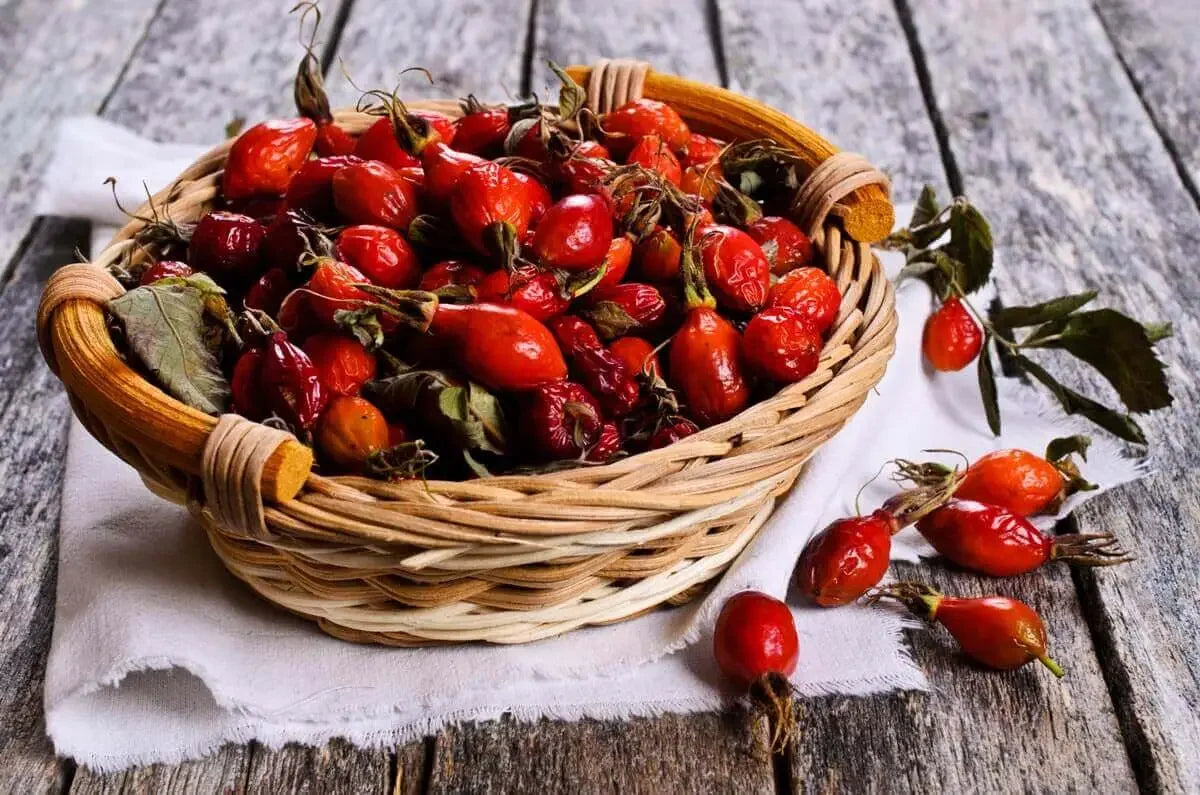
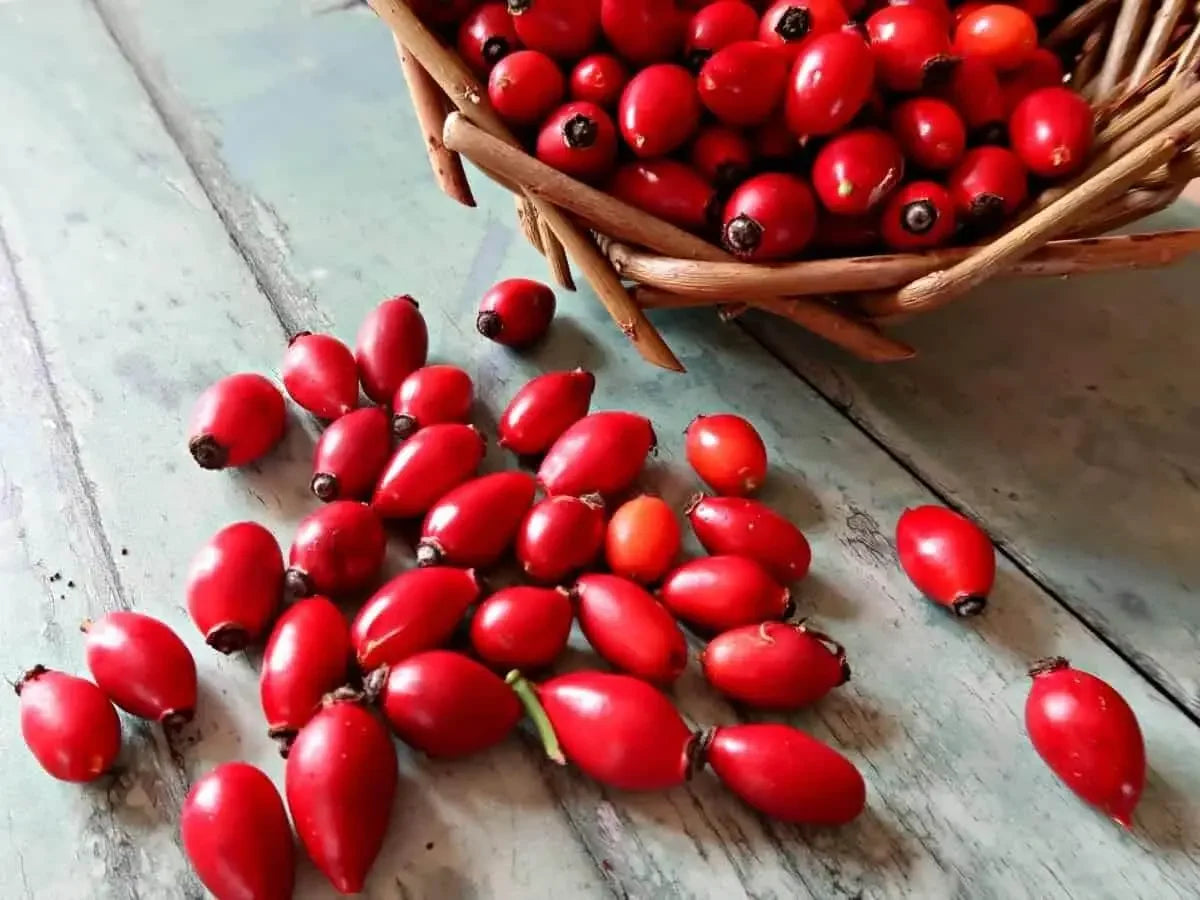
The production of rosehip oil begins with the harvesting of rosehip fruits, also known as rose haws. These fruits appear after the rose flower blooms and its petals fall off. Harvesting typically takes place once the fruits are fully ripened, usually in late summer or early autumn.
The fruits are carefully collected, ensuring that they are clean and free from damage. The timing and method of harvest can influence the quality of the seeds inside, which directly affects the oil extracted later.
2. Seed Separation and Cleaning
Once harvested, the rosehips are taken to processing facilities where the seeds are separated from the fruit pulp. This step involves both mechanical and manual sorting. The seeds are then cleaned to remove any remaining fruit residue, dirt, or plant material.
Clean seeds are essential because any contamination or leftover pulp can impact the oil’s clarity and freshness. After cleaning, the seeds are dried to a specific moisture level to prevent mold or spoilage during storage.
3. Drying and Preparation for Extraction
Drying plays a crucial role in preserving the quality of rosehip seeds. The seeds are usually air-dried or placed in temperature-controlled dryers at low heat to avoid degrading their natural properties. Once dried, the seeds are crushed or ground into a coarse powder, which helps release oil more efficiently during extraction.
Proper drying and grinding help ensure maximum yield while maintaining the natural aroma and consistency of the oil.
4. The Extraction Process
There are several methods to extract rosehip oil, but the most common and preferred one for high-quality production is cold pressing.
Cold Pressed Extraction
In cold pressing, the crushed seeds are mechanically pressed at low temperatures, without using heat or chemicals. This gentle process helps retain the oil’s natural composition. The pressing machine exerts steady pressure, squeezing out the oil from the seed pulp.
The oil obtained from this method is often called virgin or unrefined rosehip oil. It usually has a light amber to orange color and a characteristic earthy scent.
Solvent Extraction (Alternative Method)
In some cases, solvent extraction is used for industrial-scale production. This involves mixing the crushed seeds with a food-grade solvent to dissolve the oil, which is then separated and purified. While this method yields more oil, it is typically followed by refining to ensure the removal of solvent residues.
However, many producers prefer the cold-pressed technique for its simplicity and minimal processing.
5. Filtration and Clarification
After extraction, the crude rosehip oil contains small seed particles and natural sediments. To achieve a clean, clear oil, it undergoes filtration and clarification.
The oil is passed through fine filters to remove impurities and suspended solids. This process may be repeated several times depending on the desired clarity and texture. Some producers use natural settling tanks before filtration, allowing heavier particles to sink before the oil is decanted.
6. Quality Testing and Standardization
Before bottling, each batch of rosehip oil is tested for quality. Parameters such as color, aroma, density, and moisture content are measured to ensure consistency. Producers often check for oxidation levels, as rosehip oil is sensitive to light and air exposure.
Some suppliers also perform certificate of analysis (COA) testing, verifying that the oil meets cosmetic and safety standards. This ensures that the oil maintains its natural purity throughout the production cycle.
7. Bottling and Packaging
Once filtered and tested, rosehip oil is ready for packaging. Since it is light-sensitive, it is commonly stored in amber or dark glass bottles to protect it from UV rays. Larger quantities for commercial use may be packed in aluminum or food-grade plastic drums with airtight seals.
Proper labeling, including batch numbers and production dates, helps ensure traceability and transparency for distributors and consumers alike.
8. Storage and Shelf Life
Rosehip oil should be stored in cool, dry places away from direct sunlight. Exposure to heat or light can accelerate oxidation and shorten its shelf life. Many producers store bulk quantities in stainless steel containers under nitrogen to preserve freshness.
Maintaining ideal storage conditions is crucial in ensuring that the oil retains its natural color, aroma, and consistency until it reaches the end user.
9. Sustainable Practices in Rosehip Oil Production
Modern rosehip oil production increasingly focuses on sustainability. Ethical sourcing, minimal waste processing, and eco-friendly packaging are becoming standard practices among producers.
By supporting sustainable harvesting and fair-trade supply chains, the rosehip oil industry contributes to environmental preservation while ensuring long-term availability of raw materials.
Conclusion
From seed to bottle, the extraction of rosehip oil involves precision, care, and a commitment to maintaining natural quality. Every step — from harvesting and drying to pressing and packaging — influences the final product’s appearance, aroma, and purity.
Understanding this process provides greater appreciation for the craftsmanship behind each bottle of rosehip oil. Whether used in formulations or as a standalone natural oil, its production reflects the balance between nature and responsible manufacturing.