

Natural oils have become a cornerstone of the modern beauty and personal care industry. Among them, rosehip oil stands out for its rich, natural composition and gentle feel. But not all rosehip oils are made the same — and the term “cold-pressed” often appears on product labels, indicating something important about how the oil was extracted.
This article explains what cold-pressed rosehip oil actually means, how it differs from other extraction methods, and why it matters in the context of quality, purity, and sustainability — all without making any health or performance claims.
1. What Is Rosehip Oil?
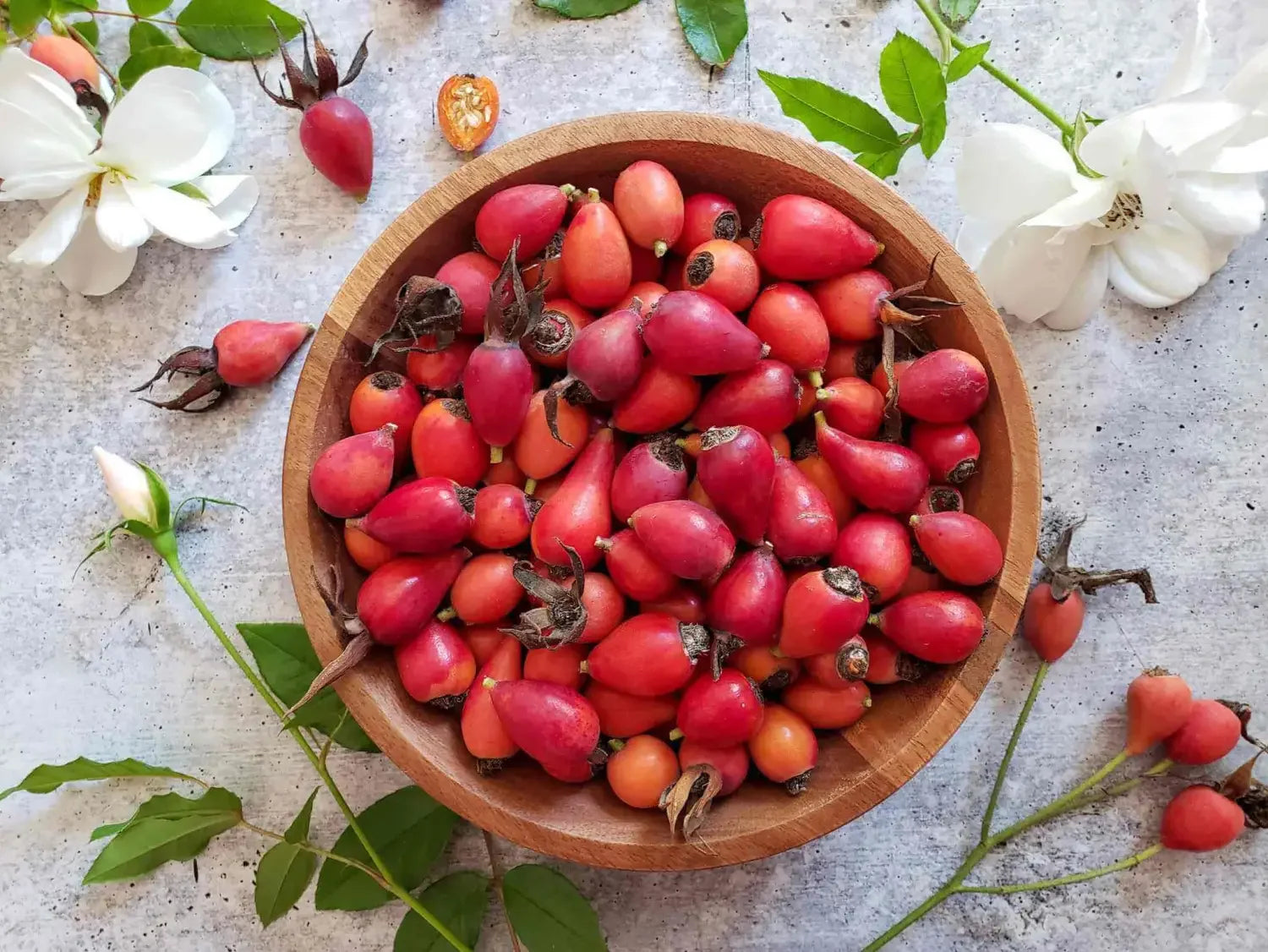
Rosehip oil is a natural plant oil derived from the seeds of rosehip fruits — the small, red-orange pods left behind after rose petals fall. These fruits are primarily sourced from Rosa canina or Rosa rubiginosa species, commonly found in Chile, South Africa, and certain regions of Europe.
Once the fruits are harvested, the seeds are separated, cleaned, and used to produce rosehip oil through various extraction techniques. The method chosen directly affects the oil’s texture, aroma, color, and purity.
2. Understanding the Cold-Pressed Method
The term “cold-pressed” refers to a mechanical extraction process in which oil is pressed from seeds or nuts without applying external heat or chemical solvents. This technique is known for maintaining the oil’s natural integrity.
During cold pressing, the seeds are crushed and pressed under controlled pressure and low temperature. The absence of high heat helps preserve the oil’s natural components, color, and scent. The result is a pure, unrefined oil that retains more of its original characteristics compared to refined or solvent-extracted oils.
3. How Cold-Pressed Rosehip Oil Is Made
The production of cold-pressed rosehip oil involves several careful steps:
a. Harvesting the Fruits
Rosehips are harvested once ripe, typically in late summer or early autumn. The fruits are picked carefully to avoid bruising, as damaged fruits can affect seed quality.
b. Cleaning and Drying
After harvest, the seeds are separated from the fruit pulp, cleaned, and gently dried to reduce moisture content. This prevents spoilage and ensures stable oil extraction.
c. Pressing the Seeds
The cleaned seeds are then mechanically pressed at low temperatures, typically below 50°C (122°F). Specialized hydraulic or screw presses extract the oil gradually, without exposing it to heat that could alter its natural composition.
d. Filtration and Packaging
Once extracted, the crude oil is filtered to remove any small seed particles or sediments. The filtered oil is then stored in dark, airtight containers to protect it from light and air, preserving its freshness and color until bottling.
4. Why the Cold-Pressed Method Matters
The cold-pressing technique is significant because it ensures that the oil remains as natural and unaltered as possible. Unlike solvent extraction — which relies on chemical agents to dissolve oil from seeds — cold pressing keeps the process purely mechanical and chemical-free.
This method is also environmentally friendly, as it consumes less energy and avoids solvent residues. For cosmetic producers and eco-conscious consumers, this aligns with the values of transparency, purity, and sustainable production.
5. Comparing Cold-Pressed and Refined Rosehip Oil
While cold-pressed rosehip oil retains its natural properties, refined rosehip oil undergoes additional processing steps such as bleaching or deodorizing to remove natural scent and color variations.
Here’s how the two compare in general terms:
| Feature | Cold-Pressed Rosehip Oil | Refined Rosehip Oil |
|---|---|---|
| Extraction Method | Mechanical pressing (no heat or chemicals) | Solvent or heat-based refining |
| Color | Light amber to orange | Pale yellow or nearly clear |
| Aroma | Natural, earthy scent | Neutral or minimal scent |
| Processing Level | Minimal | Extensive |
| Common Use | Premium skincare, natural blends | Mass-market formulations |
Both types have value, but cold-pressed versions are often preferred for brands emphasizing “pure” or “natural” formulations.
6. Quality Indicators for Cold-Pressed Rosehip Oil
Recognizing genuine cold-pressed rosehip oil involves paying attention to a few quality markers:
-
Color: Typically golden to amber-orange.
-
Texture: Smooth and lightweight, easily absorbed.
-
Packaging: Stored in dark glass bottles to protect from UV light.
-
Labeling: Often states cold-pressed, unrefined, or virgin.
-
Origin: Reputable brands specify sourcing regions such as Chile or Lesotho.
Because cold-pressed oils are more sensitive to oxidation, proper packaging and storage are essential to maintain freshness.
7. Sustainability and Eco-Friendly Aspects
Cold pressing is not only beneficial for maintaining natural oil quality — it’s also an environmentally considerate process. It produces minimal waste, uses no chemical solvents, and generates less heat, reducing overall energy consumption.
Many suppliers of rosehip oil now adopt sustainable sourcing practices, working directly with local farmers to ensure fair trade and ethical harvesting. The waste pulp and seed hulls from pressing can even be composted or repurposed, supporting circular production methods.
8. The Role of Cold-Pressed Oils in the Natural Beauty Industry
The growing demand for plant-based ingredients has made cold-pressed oils — including rosehip oil — a foundation of the natural beauty market. Brands favor these oils for their authenticity, minimal processing, and alignment with consumer values centered on transparency and eco-conscious production.
From facial oils and serums to soaps, hair treatments, and body lotions, cold-pressed rosehip oil serves as a versatile base ingredient in both artisanal and large-scale formulations.
9. Proper Storage and Shelf Life
Cold-pressed rosehip oil requires careful handling to maintain its natural quality. It should be stored in a cool, dark place, away from direct sunlight or heat sources.
To extend its shelf life, producers often package it in amber glass bottles or stainless-steel drums and may use natural antioxidants to reduce oxidation. Once opened, consumers are advised to seal the container tightly to preserve freshness.

10. Transparency and Label Integrity
In an increasingly competitive beauty market, consumers look for transparency in product labeling. Brands that use cold-pressed rosehip oil often emphasize details such as:
-
Extraction method (cold-pressed)
-
Country of origin
-
Organic or sustainably sourced certification
-
Batch or production date
These details reinforce trust and highlight the authenticity of the ingredient, helping buyers make informed choices.
Conclusion
Cold-pressed rosehip oil represents more than just a natural ingredient — it reflects a method of production that values purity, sustainability, and transparency. By avoiding chemical processing and focusing on mechanical extraction, this method ensures that the oil remains close to its natural state.
As the natural beauty industry continues to grow, cold-pressed oils like rosehip oil will remain central to formulations that emphasize simplicity, authenticity, and environmental responsibility.