

Soap and candle making are crafts that combine tradition, creativity, and science. Behind every bar of soap or every candle lies a careful choice of ingredients, each influencing texture, fragrance, stability, and final appearance. One ingredient that has become especially popular among artisans and manufacturers is fractionated coconut oil.
But what makes this oil so well-suited for soap and candle making? Let’s explore the unique qualities of fractionated coconut oil and why it has become a staple in the world of handmade and industrial crafts.
What Is Fractionated Coconut Oil?
Fractionated coconut oil is a refined version of coconut oil created through a process called fractionation. During this process, the long-chain fatty acids in regular coconut oil are removed, leaving behind mostly medium-chain triglycerides (MCTs).
This gives fractionated coconut oil its unique qualities:
-
Always liquid regardless of temperature.
-
Odorless and colorless, providing a neutral base.
-
Stable and long-lasting, with resistance to oxidation.
-
Lightweight and versatile, making it easy to blend with fragrances and other oils.
These properties are exactly what make it so appealing in both soap making and candle making.
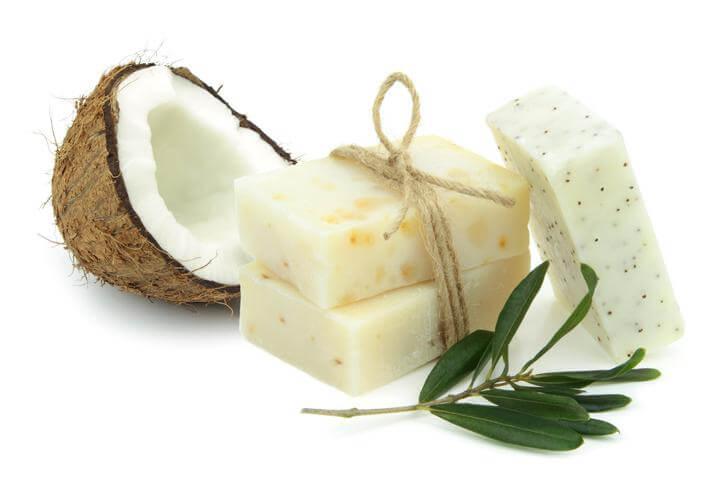
Why Fractionated Coconut Oil Is Used in Soap Making
1. Liquid Consistency for Easy Blending
Unlike regular coconut oil, which solidifies in cooler temperatures, fractionated coconut oil remains liquid. This makes it easier to mix with other oils, lye, and additives in soap recipes without extra heating.
2. Neutral Base for Fragrances and Colors
Soap makers often experiment with essential oils, fragrance oils, and natural colorants. Fractionated coconut oil provides a neutral base that won’t alter scents or interfere with dyes, ensuring creative freedom.
3. Smooth Texture and Finish
Fractionated coconut oil contributes to a silky, lightweight feel in finished soap. It also helps balance harder oils (like palm or cocoa butter) for a smoother final product.
4. Longer Shelf Life
Thanks to its resistance to oxidation, soaps made with fractionated coconut oil maintain their quality and clarity for longer periods compared to those made with less stable oils.
5. Versatility in Different Soap Types
-
Cold Process Soap: Blends easily with other oils during saponification.
-
Melt and Pour Soap: Adds a soft, conditioning quality without clouding the base.
-
Liquid Soap: Perfect for clear, liquid formulations because it stays transparent.
Why Fractionated Fractionated Coconut Oil Is Used in Candle Making
1. Excellent Carrier for Fragrance Oils
Candle makers need a carrier oil that holds fragrance well and releases it steadily during burning. Fractionated coconut oil is ideal because it absorbs scent without altering it.
2. Improves Burn Consistency
When blended with wax, fractionated coconut oil helps candles burn more evenly and smoothly, preventing issues like tunneling or uneven melting.
3. Clear and Neutral Appearance
Its transparent nature ensures that candles retain their intended look, whether they’re pure white, colored, or decorated with natural elements.
4. Stable Shelf Life
Just like in soap making, its stability ensures that stored candles maintain their fragrance and appearance over time.
5. Versatile Blending Oil
Fractionated coconut oil is often mixed with soy wax, beeswax, or paraffin wax to create customized candle blends with improved fragrance throw and consistency.
Fractionated Coconut Oil vs. Regular Coconut Oil in Crafting
| Feature | Regular Coconut Oil | Fractionated Coconut Oil |
|---|---|---|
| State at Room Temp | Solid in cool climates | Always liquid |
| Color | White when solid, clear when melted | Clear and transparent |
| Aroma | Mild coconut scent (especially virgin) | Odorless, neutral |
| Shelf Life | Moderate, can oxidize | Long, highly stable |
| Use in Soap | Adds hardness and lather | Adds smoothness and clarity |
| Use in Candles | Less common, may cloud blends | Ideal for blending with wax and fragrance |
This comparison highlights why artisans and manufacturers often choose fractionated coconut oil over regular coconut oil for these crafts.
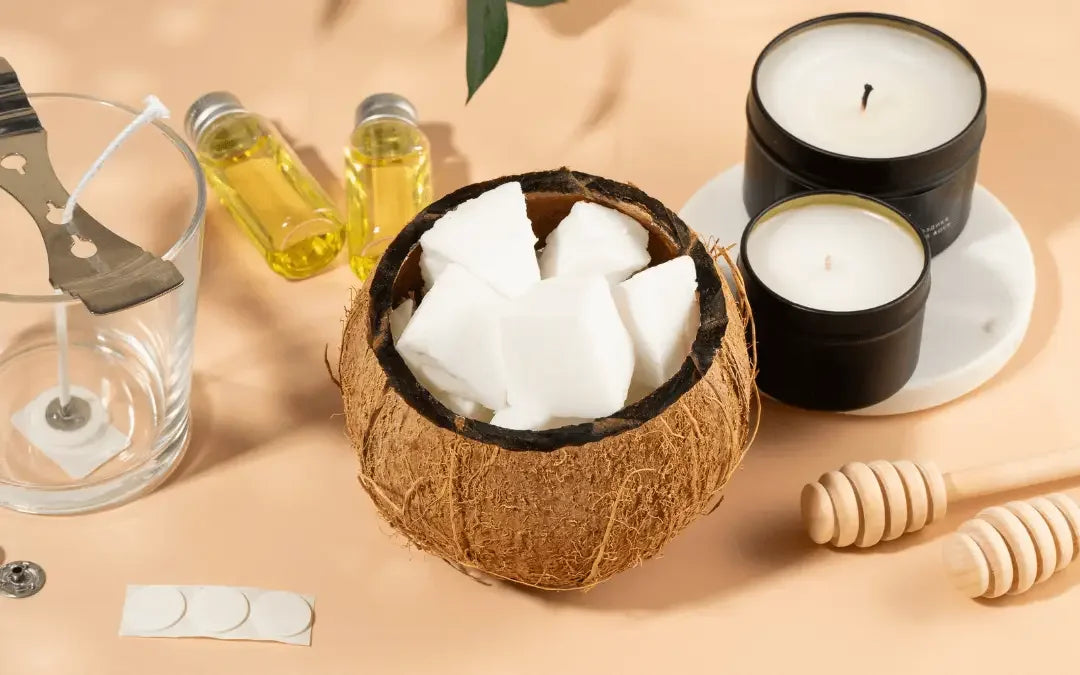
Benefits for Artisans and Small Businesses
For soap and candle makers, especially those running small craft businesses, fractionated coconut oil offers several practical advantages:
-
Consistency: Ensures the same results in each batch.
-
Professional Finish: Transparent, neutral properties give products a polished appearance.
-
Ease of Experimentation: Blends seamlessly with essential oils, fragrances, and dyes.
-
Market Appeal: Frequently associated with high-quality, luxury formulations.
Global Relevance
Fractionated coconut oil is not only a crafting essential but also a global trade product. Major producers like the Philippines, Indonesia, Sri Lanka, and India export large quantities to meet demand in cosmetics, soaps, candles, and perfumery industries worldwide.
Its presence in the global market reflects both traditional coconut cultivation and modern industrial refinement. This balance between tradition and innovation contributes to its popularity in artisan crafts and luxury products alike.
Tips for Using Fractionated Coconut Oil in Soap and Candle Making
-
Soap Making: Start with small test batches to balance hardness and smoothness. Use alongside harder oils or butters for structure.
-
Candle Making: Blend with soy or beeswax for improved fragrance throw and burn quality. Adjust ratios gradually to perfect results.
-
Storage: Keep in a cool, dark place to preserve its clarity and long shelf life.
-
Experiment: Pair with different fragrance oils or essential oils to explore custom blends.
Conclusion
Fractionated coconut oil has earned its popularity in soap and candle making because of its neutrality, stability, and versatility. Unlike regular coconut oil, it remains liquid, odorless, and clear, making it a perfect partner for fragrance blending and creative crafting.
For artisans, it ensures consistency and professional-quality results. For manufacturers, it offers reliability and stability on a larger scale. From handmade soaps to luxury candles, fractionated coconut oil plays a behind-the-scenes role in creating products that look, feel, and perform beautifully.
As a timeless ingredient bridging tradition and modern craftsmanship, fractionated coconut oil will likely continue to be a favorite in the soap and candle making community worldwide.