

Turmeric root powder, known for its vibrant golden-yellow hue and earthy flavor, has been used for centuries in cooking, traditional practices, and as a natural dye. If you’ve ever enjoyed a curry or admired the rich tint of golden milk, there’s a good chance turmeric was behind it.
But what exactly is turmeric root powder? Where does it come from? Why is its color so bright, and how would you describe its taste? In this guide, we’ll explore everything you need to know about this widely used spice—from its botanical roots to the sensory experience it brings to your kitchen.
What Is Turmeric Root Powder?
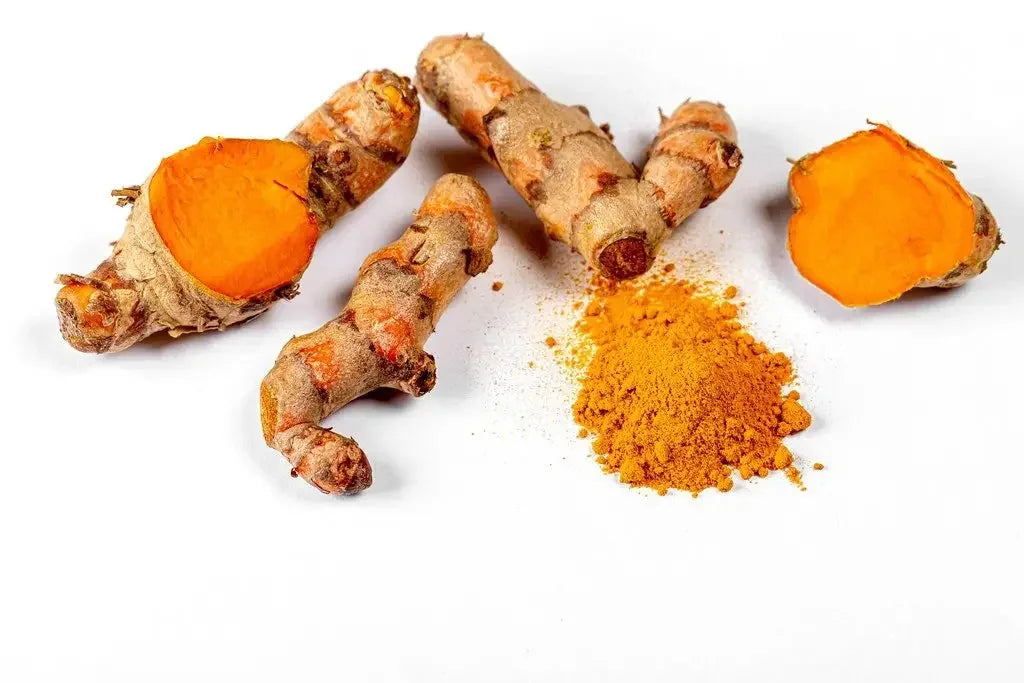
Turmeric root powder is a fine, yellow-orange powder derived from the dried rhizomes (underground stems) of the turmeric plant, scientifically known as Curcuma longa. It’s part of the ginger family (Zingiberaceae), which explains its similar knobby root appearance.
To make the powder, the turmeric root is typically boiled, dried, and ground into a fine consistency. The result is a shelf-stable ingredient that can be added to food, beverages, and more.
Origin: Where Does Turmeric Come From?
Turmeric has deep roots in South Asia, particularly India, where it has been cultivated for over 4,000 years. India remains the world’s largest producer, consumer, and exporter of turmeric to this day. The plant thrives in warm, humid climates and is often grown in tropical regions such as:
-
India (especially Andhra Pradesh, Tamil Nadu, and Maharashtra)
-
Sri Lanka
-
Bangladesh
-
Indonesia
-
China
-
Africa and the Caribbean (in smaller quantities)
Historically, turmeric was used in ancient Indian and Southeast Asian cultures not only for culinary purposes but also in rituals, textile dyeing, and art. Its significance in traditional ceremonies and regional cuisines continues even today.
How Is Turmeric Powder Made?
The process of turning fresh turmeric root into powder involves several steps to preserve its aroma, color, and usability. Here’s a simplified breakdown:
-
Harvesting: Turmeric roots (rhizomes) are harvested once the plant reaches maturity—usually 8–10 months after planting.
-
Boiling/Steaming: The fresh roots are cleaned and then boiled or steamed to soften them and reduce their strong raw odor.
-
Drying: After boiling, the roots are laid out to dry—traditionally in the sun—for several days until all moisture is removed.
-
Grinding: Once completely dry, the roots are ground into a fine powder using grinders or stone mills.
-
Packaging: The powder is then sifted, checked for purity, and packed for use or sale.
This process may vary slightly depending on the region and scale of production, but the essence remains the same—minimal processing to retain the spice's natural qualities.
Color: What Makes Turmeric So Vibrant?
One of turmeric's most defining features is its bold, golden-yellow color. This signature hue comes primarily from curcumin, a naturally occurring pigment found in turmeric rhizomes.
Depending on the variety and soil in which it is grown, turmeric root powder can range in tone from:
-
Deep orange-yellow (common in Indian varieties)
-
Bright yellow (often used for coloring)
-
Golden amber (seen in some organically grown batches)
Because of its striking appearance, turmeric is often used as a natural coloring agent in food products, cosmetics, and even fabrics. Many traditional fabrics in India and Southeast Asia are dyed with turmeric for ceremonial purposes.
Taste: What Does Turmeric root powder Taste Like?
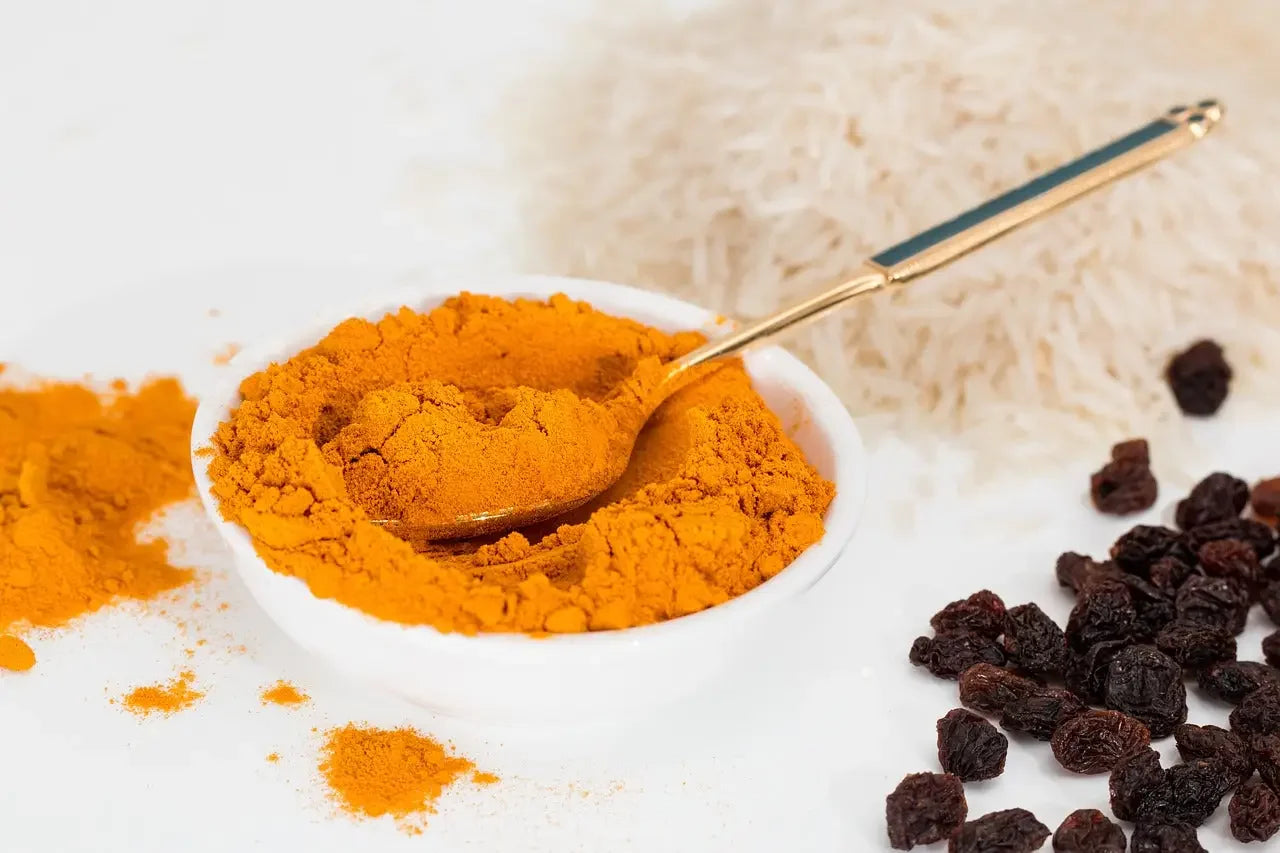
The taste of Turmeric root powder is best described as earthy, slightly bitter, and peppery with a hint of mustard-like pungency. Some also describe it as warm and musky, with a mild ginger undertone due to its botanical family.
While it isn’t typically eaten on its own, turmeric adds depth and complexity to a wide variety of dishes. You’ll most often find it in:
-
Indian curries and lentil dishes
-
Rice preparations like biryanis or pulao
-
Marinades for vegetables and proteins
-
Golden milk or turmeric lattes
-
Pickles, sauces, and spice blends
Turmeric pairs especially well with cumin, coriander, black pepper, garlic, and ginger. A small amount goes a long way, and it’s usually added early during cooking to allow its flavor to infuse the dish.
Varieties of Turmeric Powder
Not all turmeric powders are created equal. There are different varieties cultivated for specific purposes—some for cooking, some for color, and some for traditional applications.
Common types include:
-
Alleppey turmeric: Rich in curcumin, deeper in color, and often used for culinary and coloring purposes.
-
Madras turmeric: Lighter in color and often used in Western cuisines and curry powders.
-
Lakadong turmeric (from Meghalaya, India): Known for its high curcumin content and bright orange color.
Each variety may slightly differ in flavor profile, strength, and intensity based on its curcumin content and the soil it’s grown in.
How to Store Turmeric Powder
To preserve its color, aroma, and potency, turmeric powder should be stored in an airtight container away from light, moisture, and heat. A cool, dark pantry or spice cabinet is ideal.
Properly stored turmeric powder can last up to 1–2 years, but it’s best to check for signs of fading color or aroma to determine freshness.
Final Thoughts: More Than Just a Spice
Turmeric root powder is more than just a colorful kitchen staple. It carries with it a rich legacy, cultivated across generations and cultures. Its earthy flavor and vibrant color continue to inspire chefs, artisans, and home cooks around the world.
Whether you're experimenting with new spice blends or simply admiring the beauty of a golden curry, turmeric adds something special—grounded in nature and rooted in history.