

Batana Oil is more than a cosmetic ingredient—it's a product deeply rooted in tradition, heritage, and generational practices. Known for its rich color, buttery texture, and natural aroma, Batana Oil has been part of Central American culture for centuries. Beyond its modern popularity in natural beauty routines, it carries a meaningful history tied to the land, its people, and traditional craftsmanship.
This guide explores the cultural origins of Batana Oil, how it became an integral part of Indigenous life, and the traditional ways it has been used over time—without mentioning health or therapeutic claims.
The Origins of Batana Oil in Central America
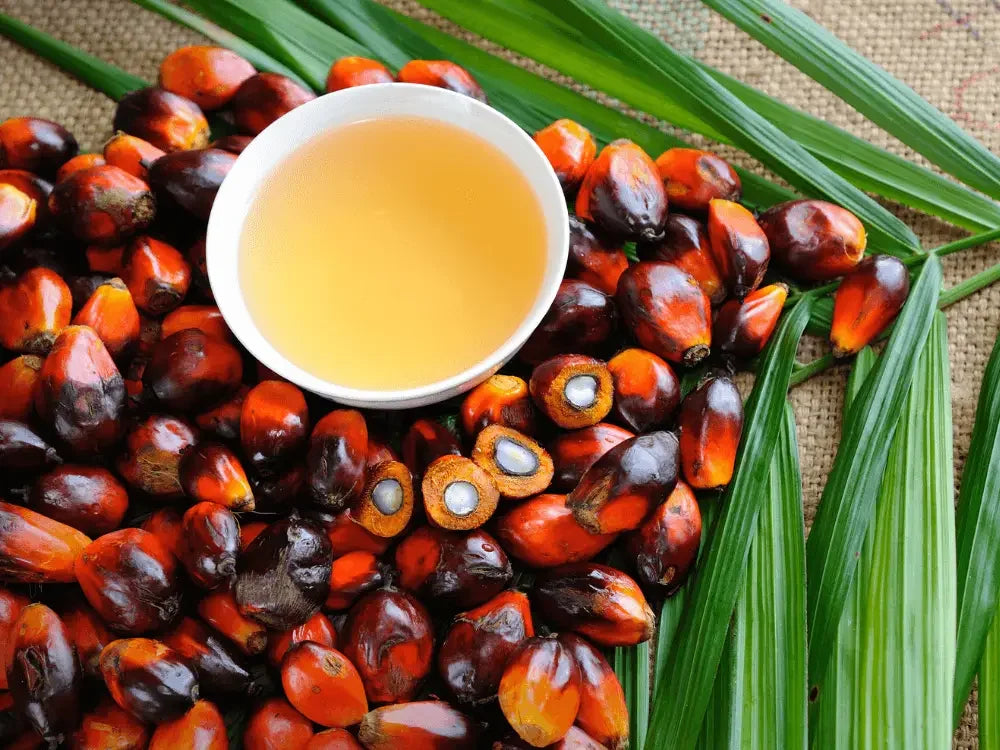
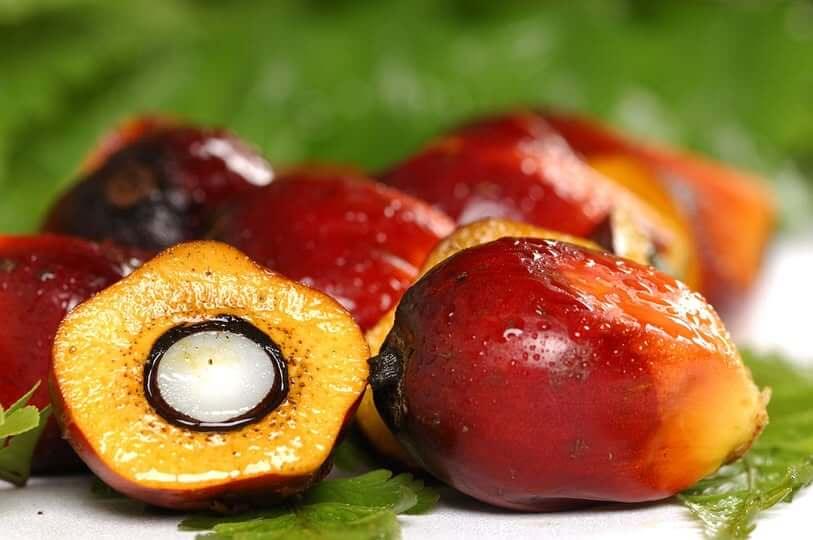
Batana Oil is derived from the American palm tree (Elaeis oleifera), which grows naturally in the tropical regions of Honduras and nearby areas of Central America. The palm thrives in lush rainforests, where its fruits have been harvested for generations.
For centuries, Batana Oil has been produced by the Miskito people, an Indigenous community living along the eastern coast of Honduras and Nicaragua. In this region—often called the Mosquito Coast—daily life has long been intertwined with the forests, rivers, and plants that surround the community.
The American palm fruit was readily available, making it a dependable resource. Over time, the Miskito people developed artisanal methods to extract and use the oil from its nuts.
Batana Oil and the Miskito Community
To the Miskito people, Batana Oil is not merely a product but part of their cultural identity. Its preparation is often seen as a communal activity, with multiple families contributing to the harvest, processing, and sharing of the oil.
For generations, the Miskito community has referred to Batana Oil as “Ojon Oil,” a term still used today. The oil is valued in daily grooming routines, traditional ceremonies, and as a cultural symbol of connection to the land.
Its traditional preparation methods—passed from elders to younger generations—remain central to its cultural importance. These traditions continue to be preserved today, even as Batana Oil gains global attention.
Traditional Harvesting Practices
One of the most defining aspects of Batana Oil’s history is the way it is produced.
1. Hand-Gathering the Fruits
The process begins with collecting palm fruits by hand, often from trees growing in wild or semi-wild environments. Families or groups gather the fallen ripe fruits, making the process sustainable and natural.
2. Boiling and Softening the Pulp
The fruits are boiled until the outer layer softens. This step makes it easier to remove the kernels, which contain the oil-rich seeds.
3. Cracking and Roasting
After removing the kernels, they are cracked open manually. The seeds inside are roasted over low heat, a method that gives Batana Oil its characteristic earthy aroma.
4. Grinding and Heating the Paste
The roasted nuts are ground into a thick paste using simple, traditional tools. The paste is then gently heated so the oil can separate naturally.
5. Collecting the Oil
Once the oil rises to the surface, it is skimmed, filtered, and allowed to cool. The final product is a thick, brown, buttery oil used in many aspects of traditional Miskito life.
This slow, handcrafted method is what makes Batana Oil unique compared to many industrially produced oils.
Batana Oil in Cultural Grooming Traditions
For the Miskito people, Batana Oil has been a staple in grooming routines for generations. Although modern cosmetic brands now use the oil in hair and skincare products, its traditional uses remain simple and culturally significant.
Everyday Grooming Rituals
Batana Oil has been used in daily grooming and personal care, particularly for enhancing texture, shine, and smoothness in hair and skin. Families often apply it in its pure form as part of their routine.
Community Bonding Through Grooming
In many Indigenous communities, grooming and self-care rituals are also moments of connection. These traditions often involve parents applying Batana Oil to their children’s hair, or women gathering to help one another style or care for their hair using the oil.
Batana Oil in Traditional Celebrations
Batana Oil also has a place in cultural events and gatherings. During festivals, community gatherings, or informal ceremonies, grooming rituals using Batana Oil may be part of the preparation process.
This practice is symbolic—it represents care, respect, and readiness for the occasion.
A Symbol of Heritage and Identity
The cultural history of Batana Oil extends beyond its practical uses. It serves as a symbol of identity, especially for the Miskito people.
Connection to Ancestral Knowledge
The method of making Batana Oil has been preserved over hundreds of years. Even today, many families rely on techniques passed down verbally and through hands-on teaching.
A Reflection of the Land
Because Batana Oil comes from a naturally growing palm, it represents the bond between the community and the environment. The act of gathering, roasting, grinding, and using the oil reflects a lifestyle in harmony with nature.
A Shared Community Resource
Unlike commodity oils harvested in large monoculture plantations, Batana Oil traditionally comes from small-scale, communal practices. This shared involvement strengthens community ties and keeps traditions alive.
The Global Emergence of Batana Oil
Although Batana Oil has been used locally for centuries, global awareness has grown only in recent decades. Today, it appears in:
-
natural cosmetic formulations
-
haircare and skincare products
-
artisanal soaps and balms
-
small-batch beauty brands
-
DIY beauty recipes
Its rich color, creamy texture, and unique story have made it especially appealing to consumers seeking plant-based, traditional, and culturally rooted ingredients.
Despite its modern popularity, many producers continue to honor traditional harvesting and preparation methods. This helps preserve both the quality of the oil and the cultural practices behind it.
Sustainability and Cultural Preservation
The rise in global interest in Batana Oil has also led to conversations around sustainability and fair sourcing. Ethical suppliers and organizations often emphasize:
-
protecting Indigenous knowledge
-
ensuring fair compensation for traditional producers
-
maintaining natural harvesting methods
-
supporting long-term conservation of the American palm tree
-
preserving cultural identity and artisanal techniques
Responsible sourcing ensures that the communities who have protected and cultivated this tradition for centuries continue to benefit from its global use.
Conclusion
Batana Oil is not just a plant-based oil—it is a living part of cultural heritage, shaped by centuries of tradition, community, and craftsmanship. Its story reflects the relationship between people and nature, the value of ancestral knowledge, and the beauty of small-scale artisanal practices.
Whether used in modern cosmetics or preserved through traditional routines, Batana Oil continues to be a meaningful ingredient with deep cultural roots. Understanding its history helps us appreciate the significance of this unique, handcrafted oil and the communities who have nurtured it for generations.