

Beetroot powder is a vibrant, plant-based ingredient widely appreciated for its rich red hue and earthy, slightly sweet flavor. Whether you're using it in food, beverages, natural cosmetics, or crafts, preserving its color, aroma, and consistency is key to getting the most out of every scoop.
Like many natural powders, beetroot powder is sensitive to light, heat, air, and moisture. Improper storage can lead to fading, clumping, or a dull flavor. Fortunately, a few simple practices can go a long way in extending its shelf life and keeping it fresh.
In this guide, we’ll walk you through the best practices for storing beetroot powder, what to avoid, and how to spot signs of degradation.
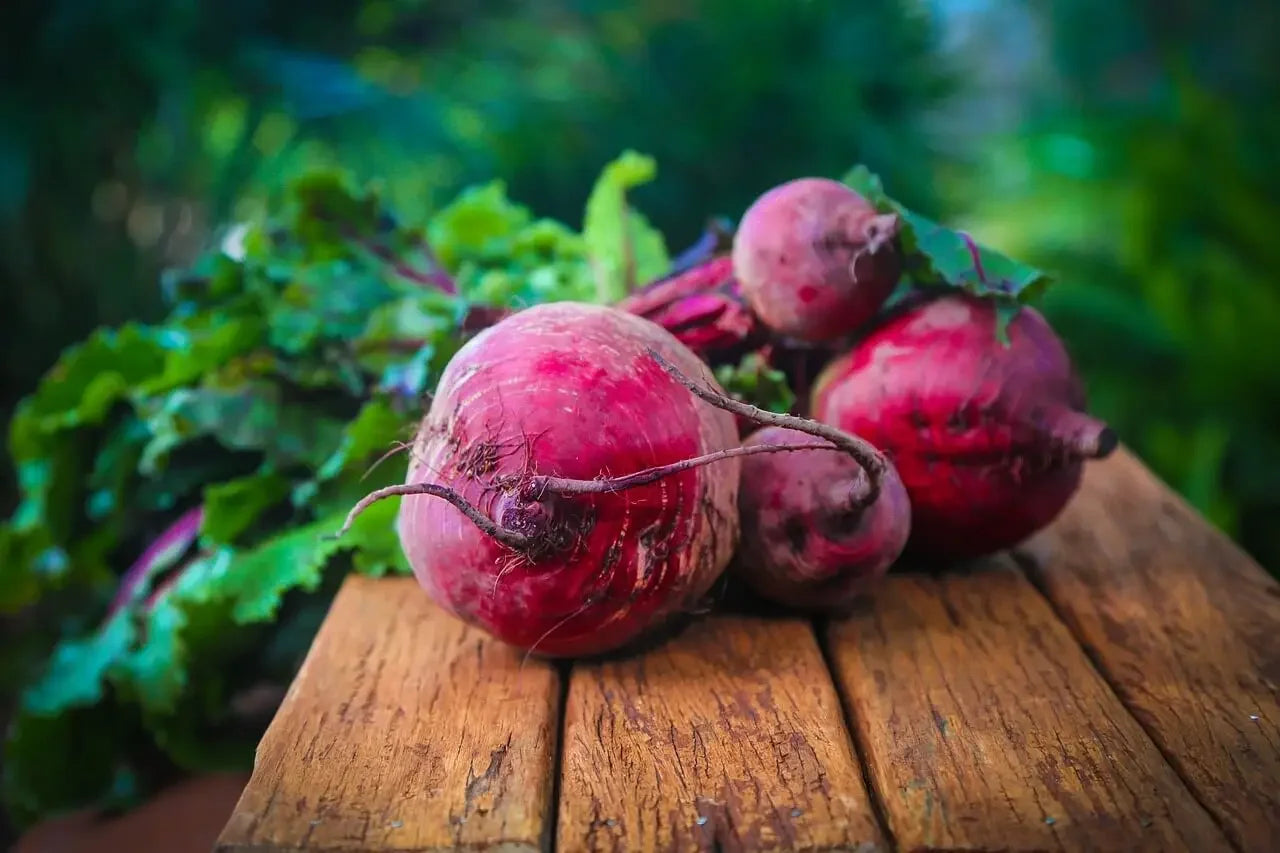
Why Proper Storage Matters
Beetroot powder contains natural pigments (betalains) that give it its brilliant red-pink color. These pigments, along with its natural flavor compounds, are delicate and can break down over time if not stored correctly.
Without proper storage:
-
The color may fade
-
The flavor may weaken or turn bitter
-
The powder can absorb moisture and clump
-
Shelf life may be drastically reduced
Storing beetroot powder correctly helps retain its vibrancy, usability, and overall quality—especially important for product makers, home cooks, or sellers of natural ingredients.
Key Factors That Affect Beetroot Powder Freshness
Understanding what degrades beetroot powder helps you prevent it. The most common enemies are:
| Factor | Impact |
|---|---|
| Light | Fades natural color |
| Heat | Alters flavor and aroma |
| Moisture | Causes clumping and spoilage |
| Air | Leads to oxidation, off smells, and dullness |
To avoid these issues, let’s dive into specific storage tips.
Best Practices for Storing Beetroot Powder
1. Store in an Airtight Container
Exposure to air leads to oxidation, which can dull both the color and the taste of beetroot powder. Always store the powder in a tightly sealed, airtight container.
Ideal containers:
-
Glass jars with airtight lids
-
Food-grade aluminum tins
-
BPA-free plastic jars with sealing lids
-
Resealable stand-up pouches with zip locks (foil-lined for better protection)
Avoid storing the powder in paper bags or containers with loose lids, as they don’t block out air or moisture.
2. Keep It Cool (But Not Humid)
Heat can degrade beetroot powder, altering its flavor and reducing the potency of its natural pigments. Store it in a cool, dry place, ideally below 25°C (77°F).
Avoid:
-
Direct sunlight or windowsills
-
Near ovens, stoves, or appliances that give off heat
-
Humid environments like bathrooms or near dishwashers
Good storage spots:
-
A kitchen cupboard away from heat
-
A pantry drawer
-
A dark storage box
3. Protect It from Light
Light exposure is one of the fastest ways to lose beetroot powder’s natural vibrancy. Betalains, the pigments responsible for its red-pink color, are especially sensitive to UV light.
Storage solutions:
-
Use opaque or dark-colored containers
-
If using clear jars, store them inside a cabinet or drawer
-
Don’t leave beetroot powder containers on open shelves for long periods
4. Avoid Moisture at All Costs
Beetroot powder is hygroscopic, meaning it absorbs moisture from the air. Even small amounts of humidity can cause clumping or promote spoilage.
Tips to prevent moisture:
-
Always use dry utensils when scooping
-
Avoid storing near a sink, dishwasher, or refrigerator vent
-
Reseal the pouch or container immediately after each use
-
Consider adding a food-safe desiccant pack inside the container (common in commercial packaging)
If the powder becomes damp, its shelf life shortens significantly and may affect usability.
5. Label with the Purchase or Opening Date
Like most natural powders, beetroot powder doesn’t last forever. Its color and flavor are best within 6–12 months of opening, depending on how it’s stored.
Labeling your jar or pouch with the date helps you:
-
Track freshness
-
Rotate inventory if you keep more than one batch
-
Avoid using older powder with reduced performance
6. Don’t Store in the Fridge or Freezer (Unless Sealed Properly)
While it may seem like refrigeration could help, it often introduces condensation—which beetroot powder doesn’t tolerate well.
If you must refrigerate or freeze:
-
Vacuum-seal the powder in airtight, moisture-proof bags
-
Let the container come to room temperature before opening, to prevent condensation
However, for most users, a cool pantry is ideal.

Signs Your Beetroot Powder Has Gone Bad
Even with great care, beetroot powder will eventually degrade. Here are signs that it may no longer be usable:
-
Color has faded from bright magenta to dull brownish-pink
-
Flavor is flat, bitter, or musty
-
Aroma has disappeared or smells off
-
Clumps or wet spots are visible
-
Unusual taste in food or drink applications
When in doubt, replace with a fresh batch to maintain the quality of your project or recipe.
Shelf Life of Beetroot Powder
With proper storage, beetroot powder typically lasts:
-
Unopened, sealed pouch: 12–24 months
-
Opened and stored well: 6–12 months
-
Stored in poor conditions: As little as 1–3 months before quality drops
Always check the manufacturer's label for “best by” dates, especially for bulk or commercial purchases.
Conclusion: A Little Care Goes a Long Way
Beetroot powder is a naturally beautiful, functional ingredient that deserves thoughtful storage. Its color, flavor, and texture are what make it such a standout in culinary, cosmetic, and crafting applications—but only if those qualities are preserved.
By keeping it away from light, heat, moisture, and air, and storing it in airtight, opaque containers, you can enjoy beetroot powder in its freshest form for months to come.
Whether you're stocking a pantry, building a clean-label brand, or experimenting with natural colorants, these best practices will help you make the most of every spoonful.