

Rosehip oil is one of the most valued natural oils in the cosmetic and skincare industry. Known for its smooth texture and natural origin, it’s used widely in both professional formulations and personal care routines. However, like most natural oils, rosehip oil requires proper storage to maintain its freshness, aroma, and consistency over time.
Because rosehip oil is delicate and sensitive to environmental factors such as light, air, and heat, improper handling can reduce its shelf life. This blog explores how to correctly store rosehip oil—from packaging choices to temperature control—to preserve its natural quality for as long as possible.
1. Understanding the Nature of Rosehip oil
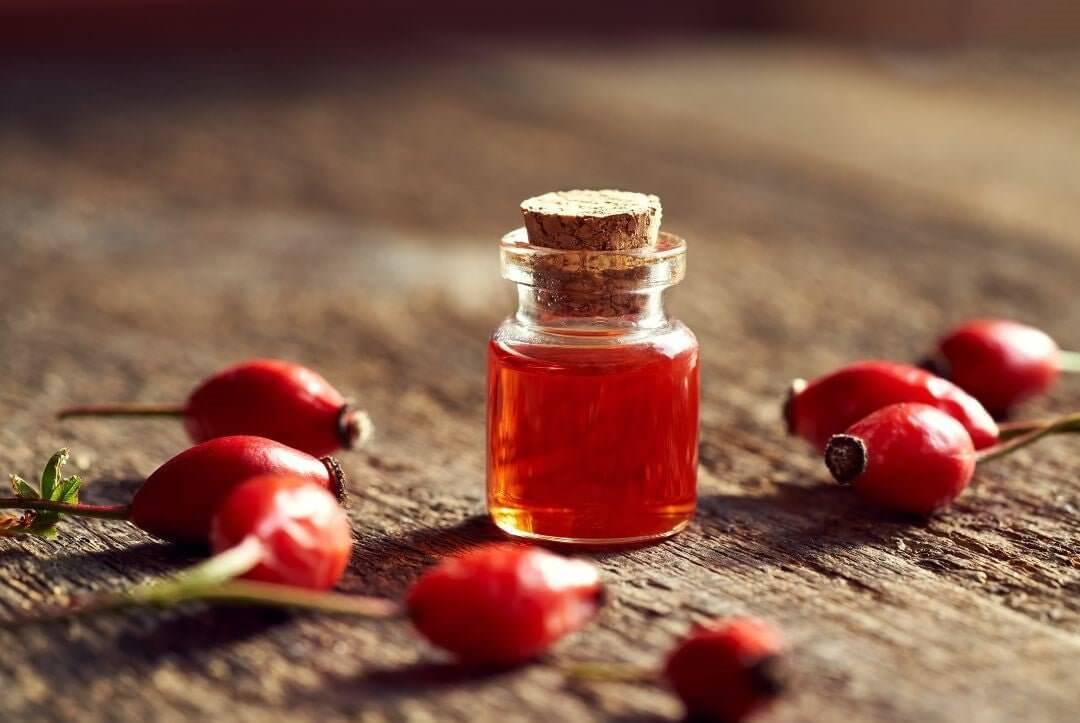
Before learning how to store rosehip oil, it’s important to understand its composition. Rosehip oil is extracted from the seeds of the Rosa canina or Rosa rubiginosa plant, typically through cold pressing. This mechanical process retains the oil’s natural components but also makes it more sensitive to oxidation.
Oxidation occurs when the oil reacts with oxygen, leading to gradual changes in its aroma, color, and clarity. To slow this process, proper storage practices are essential. These practices help maintain the oil’s purity and usability throughout its shelf life.
2. The Key Factors That Affect Rosehip oil Freshness
Several external factors can impact how long rosehip oil stays fresh. The most common include:
-
Light Exposure: Direct sunlight or strong artificial light can accelerate oxidation.
-
Temperature: Heat causes oil molecules to break down faster.
-
Air Contact: Oxygen exposure leads to gradual degradation.
-
Contamination: Dirty droppers, unclean containers, or moisture can affect quality.
Being mindful of these factors is the foundation of good oil storage practices.
3. Ideal Storage Temperature
Temperature plays a crucial role in preserving rosehip oil. The oil should be kept in a cool, stable environment—generally between 5°C and 20°C (41°F to 68°F).
Avoid storing the oil near heat sources such as stoves, radiators, or windows. High temperatures can accelerate oxidation and affect the oil’s texture.
For long-term storage, some producers and distributors refrigerate rosehip oil in bulk containers to extend freshness. However, for consumer use, keeping the bottle in a cool cabinet or drawer away from sunlight is usually sufficient.
4. Choosing the Right Container
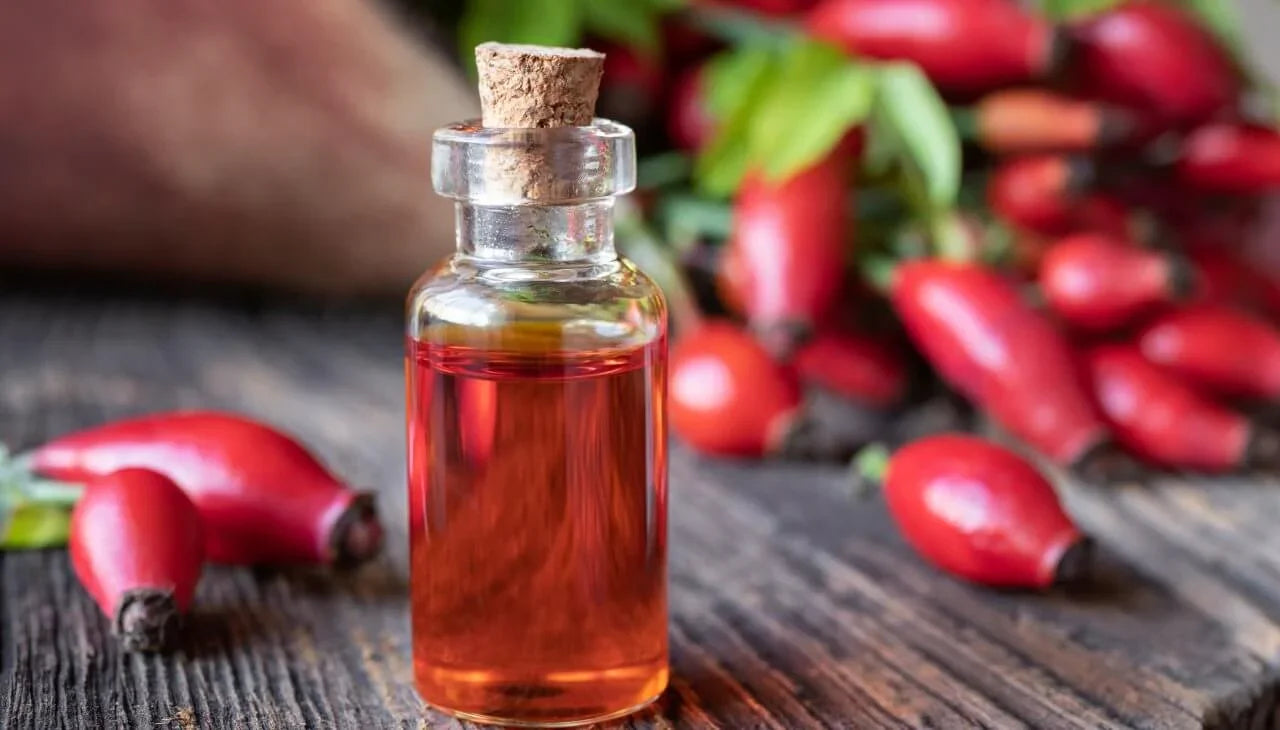
Packaging is one of the most important aspects of preserving rosehip oil quality. Because the oil is sensitive to light, it should always be stored in dark-colored glass bottles, such as amber, cobalt blue, or dark green.
These colored bottles protect the oil from UV rays that can cause oxidation. Glass is also preferred over plastic because it doesn’t react with the oil over time.
For bulk storage or commercial use, stainless steel or aluminum containers with airtight lids are ideal. These materials prevent light penetration and maintain a consistent internal environment.
5. Airtight Sealing and Oxygen Control
Oxygen exposure is one of the biggest causes of oil degradation. Once a bottle is opened, each exposure to air allows oxidation to begin.
To minimize air contact:
-
Always seal the cap tightly after each use.
-
Avoid transferring the oil to containers that aren’t airtight.
-
When possible, use smaller bottles to reduce the amount of air inside the container.
Some professional suppliers store rosehip oil under a nitrogen blanket—an inert gas that replaces oxygen in the container—to further extend its freshness. While not necessary for small-scale users, it illustrates the importance of air control in oil preservation.
6. The Role of Refrigeration
Refrigeration is a common method used to slow oxidation and extend the shelf life of natural oils. Keeping rosehip oil in the refrigerator can help maintain its freshness, especially in warmer climates.
However, refrigeration isn’t always mandatory. The main considerations are:
-
Room Temperature Use: Store in a cool, dark space if the room temperature is moderate.
-
Refrigeration: Recommended in tropical or humid environments.
-
Condensation Caution: After refrigeration, allow the bottle to reach room temperature before opening it to prevent moisture from entering.
Whether stored in a refrigerator or at room temperature, consistent coolness is key.
7. Handling and Usage Tips
How you handle rosehip oil can also influence its longevity. Here are a few practical tips:
-
Avoid Touching the Dropper: Contact with skin can introduce bacteria or moisture.
-
Pour Carefully: Avoid leaving the bottle open for extended periods.
-
Use Clean Tools: When blending or transferring oil, always use sanitized utensils.
-
Label and Date: If you buy rosehip oil in bulk, label smaller containers with the fill date to track freshness.
These small habits prevent contamination and maintain oil quality.
8. Bulk Storage for Manufacturers and Formulators
For brands and manufacturers working with rosehip oil in large volumes, bulk storage requires additional precautions:
-
Store in stainless steel drums with sealed lids.
-
Keep containers in temperature-controlled storage areas.
-
Use nitrogen flushing to reduce oxygen inside the drum.
-
Rotate inventory regularly (first-in, first-out system).
Maintaining proper warehouse conditions ensures consistent oil quality before it’s transferred to smaller retail bottles.
9. Shelf Life Expectations
Under ideal storage conditions, cold-pressed rosehip oil typically maintains freshness for 6 to 12 months. However, this can vary depending on the extraction method, packaging, and handling practices.
Refined rosehip oil, being more processed, may last slightly longer, while unrefined oils are more delicate. To check for freshness, observe changes in color, scent, or texture — natural signs that oxidation may have begun.
10. Sustainability and Packaging Innovation
Modern beauty brands are becoming increasingly conscious of packaging sustainability. Many now use recyclable glass, biodegradable labels, and eco-friendly caps for their rosehip oil products.
Some even use UV-protective glass that combines eco-friendly design with functionality. Sustainable packaging not only protects the oil but also aligns with the growing environmental focus in the natural beauty industry.
Conclusion
Proper storage of rosehip oil is essential to preserve its natural freshness, clarity, and texture. Keeping it away from light, air, and heat ensures that it remains pure and stable throughout its shelf life.
Whether you’re a consumer using a small bottle or a manufacturer managing bulk quantities, simple steps like using dark glass bottles, sealing tightly, and storing in a cool environment can make a lasting difference.
By handling rosehip oil with care, you help maintain the integrity of a naturally sourced ingredient that continues to play an important role in the world of sustainable beauty.