

Perfumery is an art that combines science, creativity, and craftsmanship. Behind every fragrance, there are not only aromatic ingredients but also base oils that support them. Among these base oils, fractionated coconut oil has become a cornerstone in the world of fragrance blending.
But why is it so widely used in perfumery? The answer lies in its clarity, stability, and ability to carry scents without altering them. Let’s explore the unique role of fractionated coconut oil in the fragrance industry, from artisan blends to luxury perfumes.
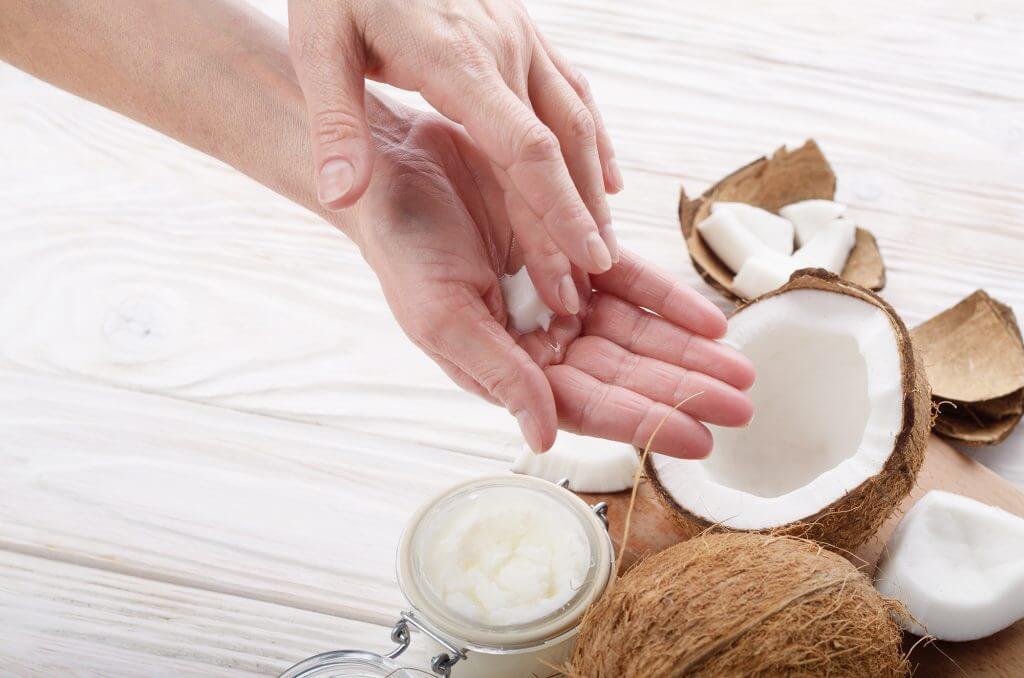
What Makes Fractionated Coconut Oil Unique for Perfumery?
Fractionated coconut oil is a liquid, odorless, and colorless oil produced by separating the long-chain fatty acids from regular coconut oil. The result is a lightweight oil that remains liquid regardless of temperature and has a long shelf life.
In perfumery, this makes it the ideal carrier oil—a neutral medium that helps dilute, preserve, and stabilize essential oils and aromatic ingredients. Unlike stronger oils that may have a scent of their own, fractionated coconut oil provides a blank canvas for fragrance creation.
The Role of Carrier Oils in Perfume Making
Carrier oils are essential in perfumery for several reasons:
-
Dilution: Aromatic oils are often highly concentrated. Carrier oils help bring them to a safe and workable level.
-
Even Distribution: They ensure fragrance spreads evenly when applied to materials or skin.
-
Stability: They improve longevity by slowing down the evaporation of lighter aromatic notes.
-
Neutral Base: A good carrier oil should not interfere with or overpower the scent of the fragrance.
Fractionated coconut oil fulfills all these roles, which is why it is a favorite choice for perfumers.
Benefits of Fractionated Coconut Oil in Fragrance Blending
While staying away from health claims, we can highlight practical industry advantages:
-
Odorless Base: Its lack of aroma means it won’t compete with or alter delicate fragrance compositions.
-
Long-Lasting Stability: Its resistance to oxidation ensures perfumes remain consistent over time.
-
Lightweight Texture: Absorbs smoothly, making it suitable for roll-on perfumes, oils, and sprays.
-
Clarity: Its transparent appearance adds a professional touch to perfume oils and blends.
-
Blending Compatibility: Works well with a wide range of essential oils and synthetic fragrance ingredients.
How Fractionated Coconut Oil Is Used in Perfumery
1. Perfume Oils
Artisan and niche perfume makers often use fractionated coconut oil as the base for perfume oils. These roll-on or dropper-style perfumes provide a concentrated scent without the use of alcohol.
2. Essential Oil Blends
Aromatherapists and fragrance artisans use it to dilute essential oils for use in personal fragrances, ensuring both safety and balance.
3. Solid Perfume Alternatives
When combined with waxes like beeswax, fractionated coconut oil becomes a base for solid perfumes. Its stability helps the fragrance remain consistent in compact form.
4. Luxury Fragrance Houses
Some high-end brands highlight fractionated coconut oil in their formulations, emphasizing purity and quality. It is often chosen for premium oil-based perfumes.
Fractionated Coconut Oil vs. Other Carrier Oils in Perfumery
To understand its advantages, let’s compare fractionated coconut oil with other commonly used carrier oils:
| Carrier Oil | Aroma | Texture | Shelf Life | Ideal For |
|---|---|---|---|---|
| Fractionated Coconut Oil | Odorless, neutral | Light, silky | Very long, stable | Perfume oils, essential oil blends |
| Jojoba Oil | Slightly nutty | Medium-weight | Long | Natural perfumes, skin oils |
| Sweet Almond Oil | Mild nutty aroma | Medium-weight | Moderate | Massage blends, soft scents |
| Grapeseed Oil | Slight earthy | Lightweight | Shorter | Short-term blends, sprays |
Fractionated coconut oil is particularly favored for perfume oils and luxury blends because of its unmatched neutrality and long shelf life.
A Staple for Artisan and DIY Perfume Makers
Beyond professional perfumery houses, fractionated coconut oil has become a favorite among DIY perfume creators and small artisan brands. Its availability, affordability, and stability make it an ideal base for experimenting with fragrance recipes at home.
-
Roll-On Perfumes: Simple blends of essential oils and fractionated coconut oil in roller bottles.
-
Travel-Friendly Perfumes: Lightweight, spill-resistant formulations.
-
Custom Blends: Allows creators to design signature scents without the interference of strong base aromas.
Global Relevance in the Fragrance Industry
The fragrance industry is not only about creativity but also about scale and consistency. Fractionated coconut oil plays an important role in ensuring that perfumes smell the same from the day they are produced to the day they are used.
-
Export Value: Major coconut-producing countries like the Philippines, Indonesia, India, and Sri Lanka supply fractionated coconut oil for international fragrance markets.
-
Sustainability: Growing interest in natural, plant-based carriers has made fractionated coconut oil a popular eco-conscious choice.
-
Luxury Branding: Perfume makers often highlight it as part of their commitment to quality and natural sourcing.
Tips for Using Fractionated Coconut Oil in Fragrance Blending
-
Start Small: When experimenting, begin with small batches to test balance and stability.
-
Blend Gradually: Add essential oils slowly, adjusting ratios for top, middle, and base notes.
-
Store Properly: Keep in dark glass bottles to maintain clarity and fragrance quality.
-
Use High-Quality Oil: Choose pure, well-sourced fractionated coconut oil to avoid additives or impurities.
Conclusion
Fractionated coconut oil has earned its place in perfumery and fragrance blending because of its neutrality, stability, and versatility. Unlike regular coconut oil, it stays liquid, remains odorless, and blends seamlessly with essential oils and aromatic ingredients.
From artisan roll-on perfumes to luxury fragrance houses, this refined oil serves as a trusted foundation for creating scents that last. Its role as a carrier oil highlights how even the most invisible ingredient can be essential in shaping the fragrance experience.
Whether you are a professional perfumer, an artisan, or a DIY enthusiast, fractionated coconut oil is a timeless ally in the art of fragrance creation.