

Berry seed oils have become widely recognized in the natural ingredients market due to their plant-based origin, unique compositions, and versatility in cosmetic and personal care formulations. Among them, Black Raspberry Oil stands out as a niche yet highly valued oil derived from the seeds of Rubus occidentalis.
To better understand its position in the industry, this blog compares Black Raspberry Oil to other commonly used berry seed oils, including red raspberry seed oil, blueberry seed oil, cranberry seed oil, blackberry seed oil, and strawberry seed oil. This comparison focuses on extraction, appearance, texture, composition, formulation roles, and sourcing — without making any health or performance claims.
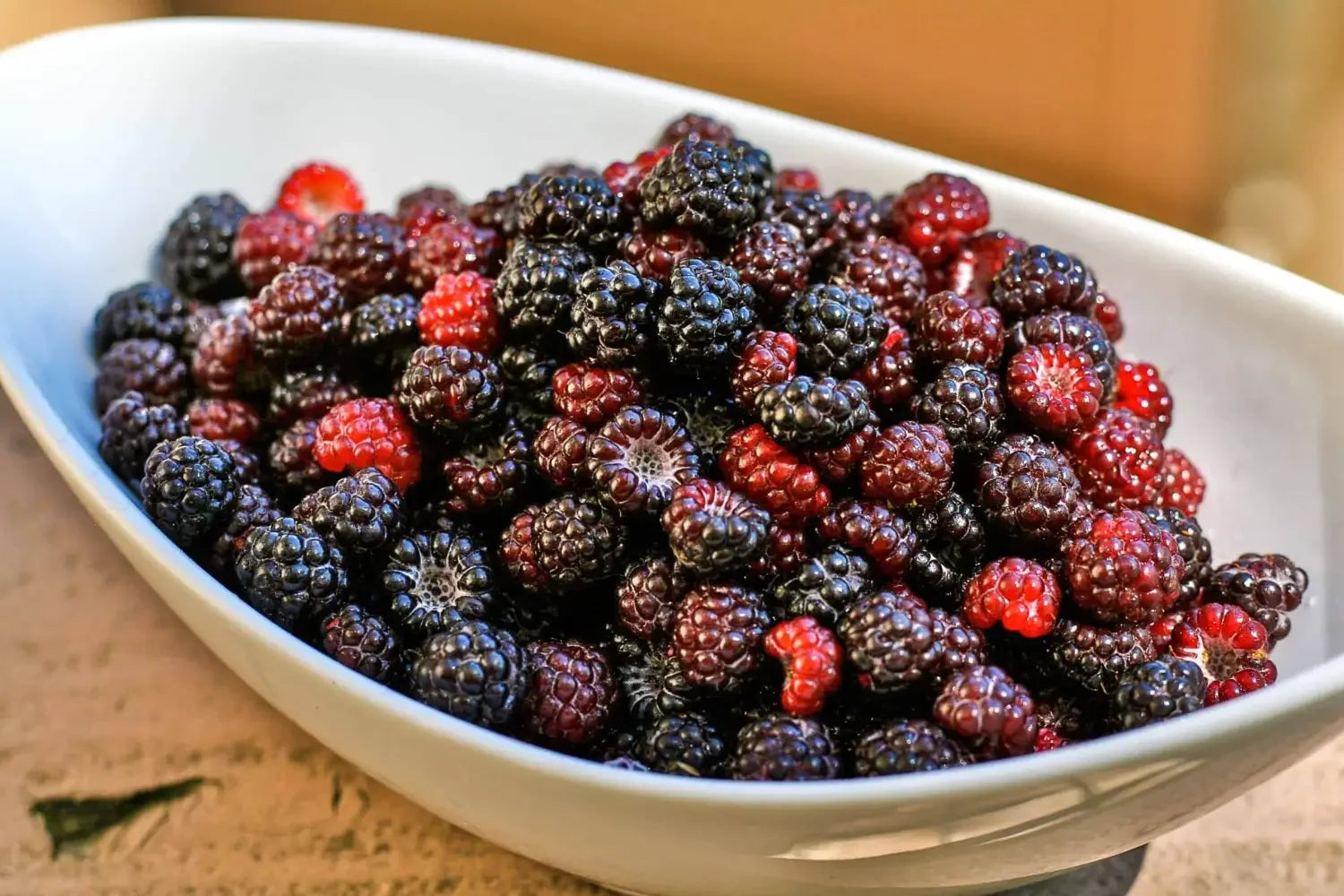
1. What Makes Black Raspberry Oil Distinct?
Black Raspberry Oil is extracted from the seeds of black raspberries, typically through cold-pressing, a method that preserves the natural characteristics of the oil without heat or solvents.
Key Characteristics of Black Raspberry Oil
-
Color: Usually medium to dark golden or light amber
-
Aroma: Mild, seed-like, earthy
-
Texture: Lightweight, smooth, and easy to spread
-
Composition: Contains naturally occurring plant-based components
These qualities make it suitable for use in cosmetic formulations ranging from facial oils to conditioners, balms, and serums.
2. Extraction Methods: Similarities Across Berry Seed Oils
Most berry seed oils — including red raspberry, blueberry, blackberry, cranberry, and strawberry seed oils — are extracted using similar techniques.
Common Extraction Processes
-
Cold-Pressing
This is the most widely used method. It preserves the oil’s natural color, aroma, and composition. -
Mechanical Pressing
Seeds are mechanically crushed to release the oil. -
Filtration
Oils are filtered to remove seed particles and impurities. -
Optional Winterization
Some manufacturers use winterization to remove waxes for improved clarity.
Black Raspberry Oil is primarily cold-pressed, aligning it with most other berry seed oils in extraction quality and purity.
3. Color and Appearance Comparison
Color plays a major role in how an oil behaves within a cosmetic formulation.
Black Raspberry Oil vs. Other Berry Oils
-
Black Raspberry Oil:
Golden to medium amber, slightly deeper than red raspberry oil. -
Red Raspberry Seed Oil:
Light yellow to pale golden. -
Blueberry Seed Oil:
Light greenish-yellow. -
Cranberry Seed Oil:
Light to medium green. -
Blackberry Seed Oil:
Deep yellow with a green tint. -
Strawberry Seed Oil:
Light green to golden.
Why this matters:
The color of an oil can influence the final appearance of creams, serums, and oil blends. Formulators often choose berry seed oils based on how their natural color integrates with the product’s desired aesthetic.
4. Texture and Absorption: Lightweight Profiles Across All Berry Oils
One reason berry seed oils are popular in cosmetics is their generally light, fast-absorbing textures.
Black Raspberry Oil Texture
-
Thin to medium viscosity
-
Non-greasy texture
-
Smooth application
-
Easily blendable with other oils
Compared to Other Berry Seed Oils
-
Red Raspberry Oil: Light and silky
-
Blueberry Seed Oil: Very lightweight
-
Cranberry Seed Oil: Slightly richer but still smooth
-
Blackberry Oil: Medium viscosity
-
Strawberry Seed Oil: Light, similar to raspberry oils
In general, berry oils share a similar profile: they are not heavy, which is why they are frequently used in leave-on formulations like serums and facial oils.
5. Natural Composition Comparison
All berry seed oils, including Black Raspberry Oil, contain naturally occurring fatty acids and plant compounds. The ratios vary depending on the berry type, growing conditions, and extraction process.
General Composition Trends
-
Black Raspberry Oil: Balanced composition with a mix of linoleic, alpha-linolenic, and oleic acids.
-
Red Raspberry Oil: Known for its high linoleic and alpha-linolenic acid content.
-
Blueberry Oil: Rich in natural antioxidants and fatty acids.
-
Cranberry Oil: Naturally balanced in omega fatty acids.
-
Blackberry Oil: Contains a similar balance to black raspberry but with slightly different ratios.
-
Strawberry Oil: High in linoleic acid.
Formulators often choose specific berry seed oils based on the fatty acid profile needed for a formulation, without referencing any health or skin effects.
6. Aroma Profiles: Mild and Natural
The aroma of an oil affects both user experience and formulation choices.
Black Raspberry Oil Aroma
-
Mild
-
Earthy
-
Slightly nutty
-
Not overpowering
Compared to Other Berry Oils
-
Red Raspberry Oil: Mild and slightly fruity
-
Blueberry Oil: Soft and neutral
-
Cranberry Oil: Light, slightly tart aroma
-
Blackberry Oil: Slightly stronger aroma than raspberry oils
-
Strawberry Oil: Soft, earthy, not sweet like fresh strawberries
Most berry oils have mild aromas that blend well with essential oils and other carrier oils.
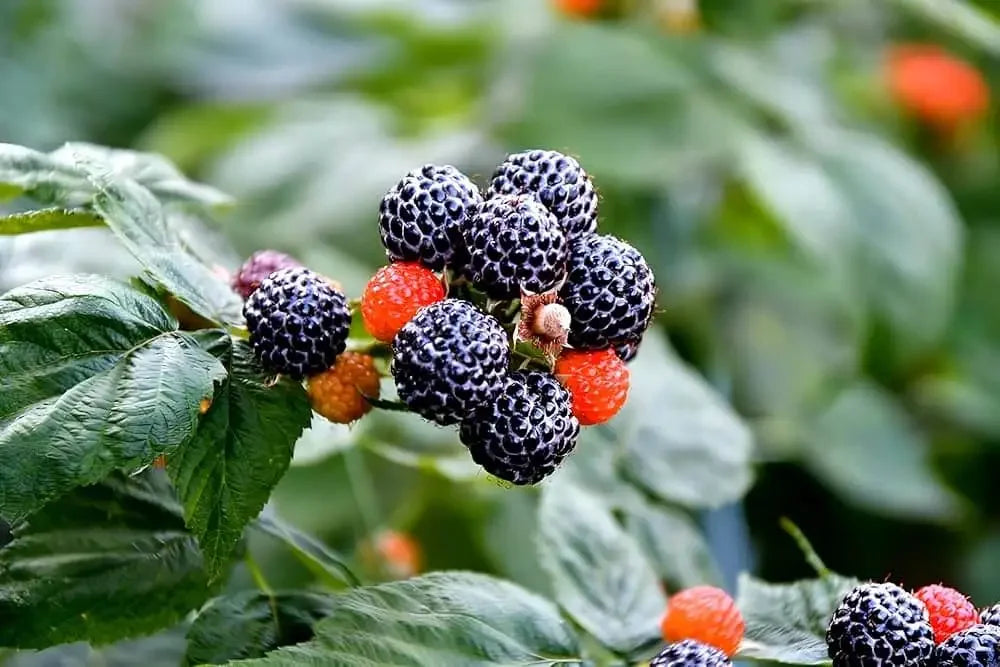
7. Uses in Formulations: How Black Raspberry Oil Compares
Black Raspberry Oil is versatile and appears in several product categories.
Common Applications
-
Facial oils
-
Serums
-
Lip balms
-
Body oils
-
Hair serums
-
Conditioners
-
Cleansing oils
-
Creams and lotions
Compared to other berry seed oils, it fits into the same product ranges. Formulators often choose between berry oils based on:
-
Color
-
Texture
-
Scent
-
Price
-
Availability
-
Compatibility with other ingredients
8. Sourcing and Availability Differences
Black Raspberry Oil
-
Produced mainly in North America
-
Seeds come from the fruit processing industry
-
Considered a specialty or niche oil due to limited production
Other Berry Oils
-
Red Raspberry Oil: Widely available; large production volumes
-
Cranberry Oil: Mostly sourced from North America
-
Blueberry Oil: Smaller batches, similar to Black Raspberry Oil
-
Blackberry Oil: Moderately available
-
Strawberry Oil: Specialty oil with seasonal production
Overall, Black Raspberry Oil tends to be less common and sometimes more expensive because of its niche sourcing.
9. Market Positioning: A High-Value Natural Ingredient
In the natural ingredients market, Black Raspberry Oil is considered a premium berry seed oil. It appeals to formulators who prefer:
-
Unique, plant-derived ingredients
-
Oils with a clean and natural profile
-
Niche botanical components for specialized product lines
Its rarity compared to red raspberry or cranberry oil contributes to its elevated positioning.
Conclusion
Black Raspberry Oil holds a distinctive place among berry seed oils due to its composition, rich natural color, and balanced texture. While it shares many similarities with other berry oils — such as lightweight feel and versatile use — it also stands apart because of its unique sourcing and niche availability.
For formulators and ingredient enthusiasts, understanding these differences helps in selecting the right berry oil for a specific product concept, aesthetic, or formulation requirement. As the natural beauty industry continues to expand, Black Raspberry Oil remains a valuable and expressive ingredient that blends well within clean, plant-based formulations.