

Comfrey Oil is one of those traditional botanical oils that has remained part of natural craft, gardening heritage, and plant-based formulations for generations. While it appears in many modern products, its roots stretch deep into the history of herbal practices. For beginners, understanding what Comfrey Oil actually is—and how it typically comes into being—can offer helpful context for anyone exploring natural ingredients, DIY formulations, or botanical traditions. This guide provides an informative and claim-free overview designed to introduce you to Comfrey Oil from multiple angles: the plant, the extraction process, its traditional roles, and its place in modern natural product development.
Understanding the Comfrey Plant
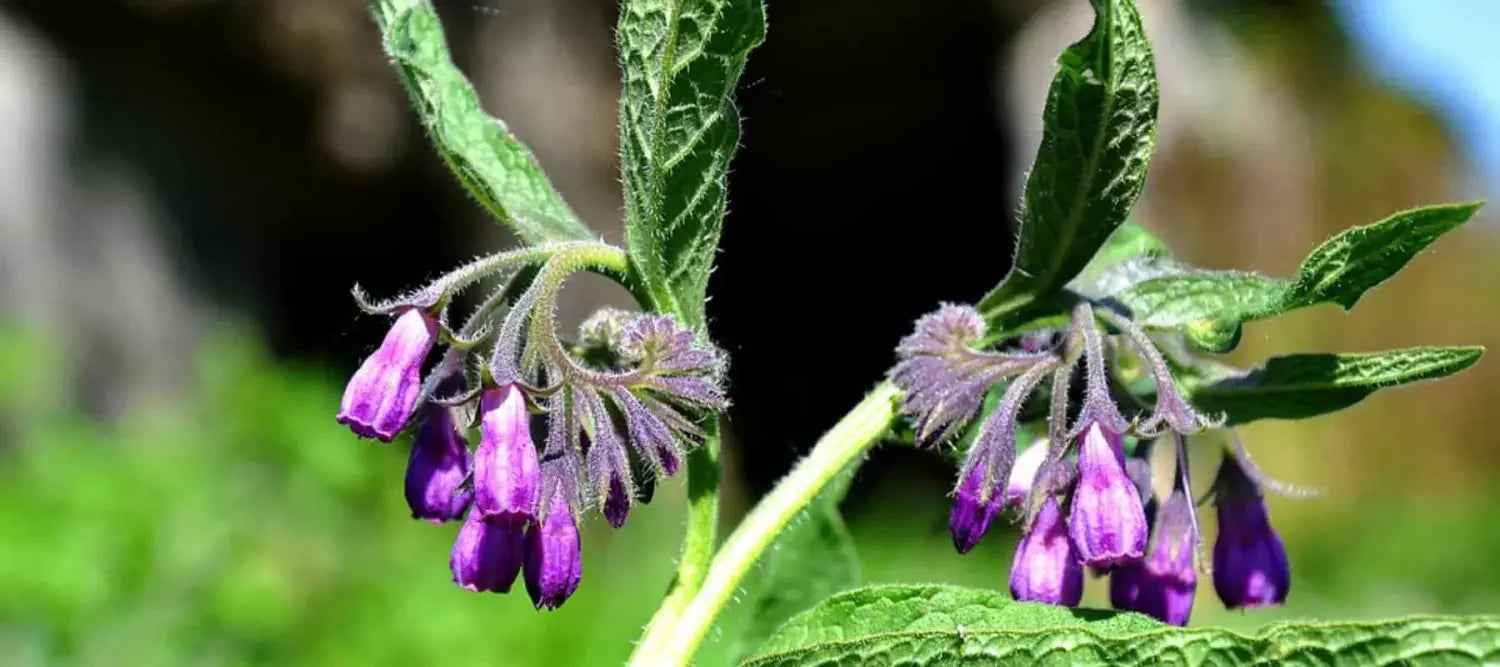
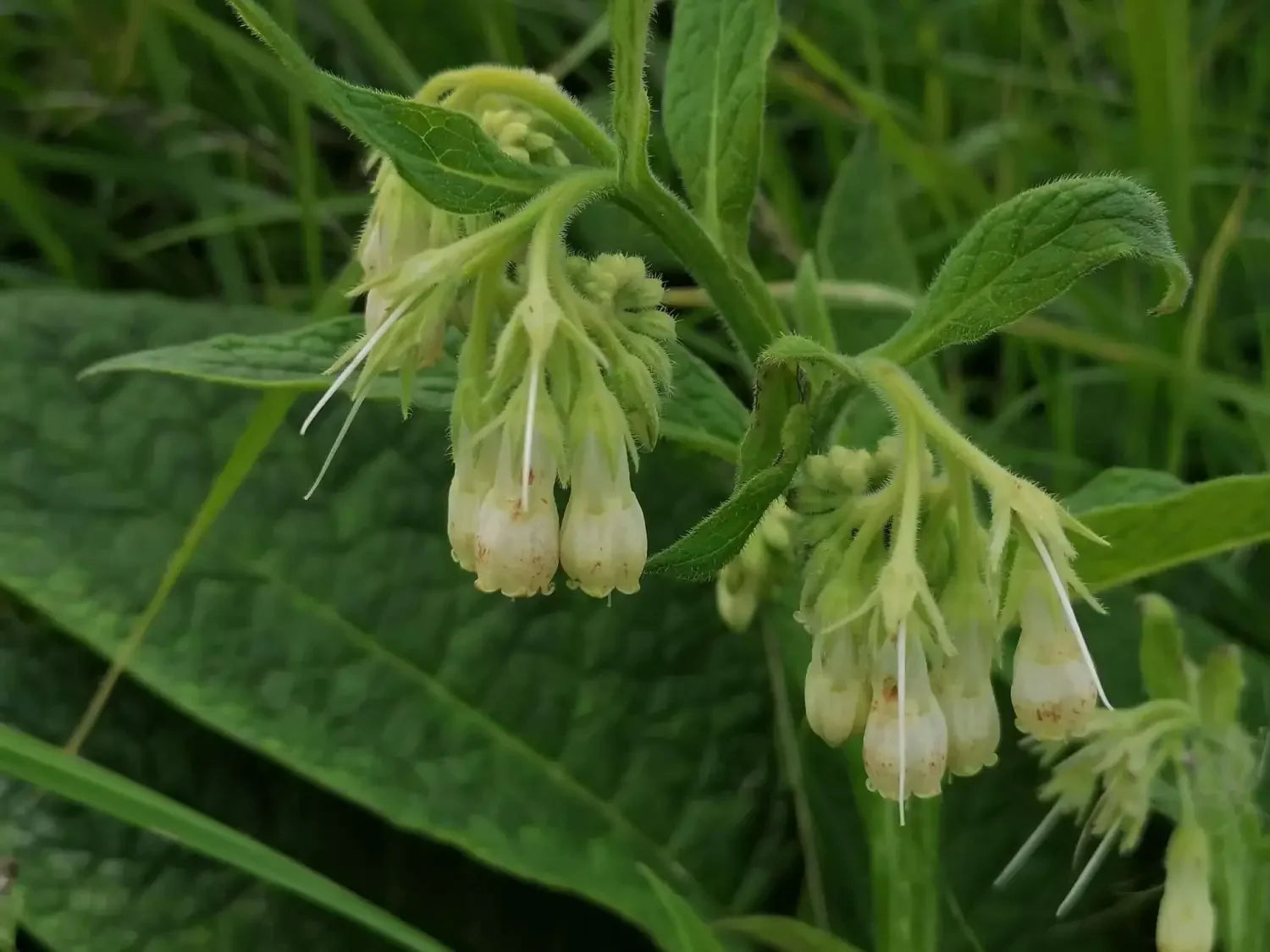
Comfrey Oil begins with the comfrey plant, scientifically known as Symphytum officinale. This leafy perennial has been grown for centuries in gardens across Europe and parts of Asia. Comfrey is visually recognizable due to its large, velvety leaves and clusters of bell-shaped flowers, usually purple, cream, or blue depending on the variety.
Historically, many cultures valued comfrey for its robust growth, deep roots, and presence in traditional herb gardens. Gardeners often appreciated how well it thrived in moist soil and how quickly it replenished after harvest. With time, comfrey became one of the plants commonly infused into oils to create botanical preparations—eventually resulting in what we now call Comfrey Oil.
What Exactly Is Comfrey Oil?
Comfrey Oil is not the essential oil of the plant. Instead, it is a macerated botanical oil, which means that comfrey leaves or roots are infused into a carrier oil over a period of time. During this infusion, the natural constituents of the plant transfer into the base oil, yielding a preparation that holds the plant’s botanical properties in an oil form.
Typical carrier oils used for infusions include olive oil, sunflower oil, grapeseed oil, or other plant-based oils compatible with traditional herbal methods. The result is a richly colored oil—often deep green or golden brown—depending on the plant parts used and the carrier oil chosen.
Since macerated oils are created through infusion rather than distillation, Comfrey Oil maintains a more earthy, plant-like aroma rather than the potent scent associated with essential oils.
Traditional Approaches to Making Comfrey Oil
Comfrey Oil can be prepared in several traditional ways, but most methods fall into two primary categories:
1. Cold Infusion Method
This time-honored technique involves:
-
Harvesting comfrey leaves or roots
-
Drying them thoroughly to reduce moisture
-
Submerging the dried plant material in a carrier oil
-
Allowing the mixture to sit for several weeks
-
Straining out the botanicals to yield the final oil
The slow, steady process is valued for its simplicity and its ability to preserve the natural character of both the plant and the carrier oil.
2. Warm Infusion Method
Another method involves gently warming the oil and comfrey plant matter:
-
Dried comfrey is combined with oil in a double boiler or low-temperature setup
-
Heat is applied for several hours
-
The mixture is then strained and stored
Warm infusion offers a faster turnaround and is often favored in small-batch artisanal production.
Both methods have been part of traditional herbal craft, each serving those who prefer either patience or efficiency.
Why Comfrey Oil Has Been Important Traditionally
Across various cultures, comfrey has held a notable place in traditional practices. While no health claims are made in this guide, it’s accurate to note that comfrey plants were historically used in many regions for their botanical characteristics, and oil infusions became a natural part of these traditions.
Comfrey Oil was often included in:
-
Traditional household herbal preparations
-
Garden-based craft practices
-
Natural formulations used by communities with plant-based heritage
-
DIY projects relying on botanical infusions
Its long-standing presence across diverse cultures highlights comfrey’s historical value as a regular member of traditional gardens and home-crafted botanical preparations.
Comfrey Oil’s Role in Modern Natural Product Development
In contemporary botanical and artisanal industries, Comfrey Oil continues to be used as an ingredient in various natural products. Its earthy aroma, botanical authenticity, and plant-derived origins appeal to formulators seeking traditional ingredients.
You might find Comfrey Oil included in:
-
Handmade skincare and body care products
-
Craft soaps
-
Artisanal balms or salves
-
Botanical oil blends
-
DIY natural ingredient kits
-
Plant-based cosmetic formulations
Many artisans value the oil for how naturally it pairs with other botanicals, offering a versatile base in traditional-style creations.
What Does Comfrey Oil Look, Smell, and Feel Like?
Beginners often wonder how to identify high-quality Comfrey Oil. While variations exist based on carrier oil, plant part, and infusion technique, here are some general characteristics:
Color
Common hues include:
-
Deep green
-
Yellow-green
-
Earthy brown tones
Aroma
The scent profile is typically:
-
Mildly earthy
-
Slightly herbaceous
-
Not overpowering
Texture
Its texture generally reflects the carrier oil selected. Sunflower and grapeseed oils result in light textures, while olive oil contributes to a richer consistency.
How to Store Comfrey Oil
Proper storage helps maintain the oil’s natural character. To preserve quality:
-
Use a dark-colored glass bottle
-
Store in a cool, dry space
-
Keep it away from direct sunlight
-
Seal tightly when not in use
If stored well, traditional macerated herbal oils often maintain their quality for several months to a year. Always check freshness periodically when working with natural products.
Comfrey Oil in DIY and Creative Projects
Comfrey Oil also appears in a variety of creative, non-topical DIY applications. Some craft enthusiasts use it in:
-
Natural wood-conditioning projects
-
Earth-inspired homemade candles
-
Herbal-themed gift sets
-
Botanical-based decorative items
-
Aromatic oil blends for diffusers (using fragrance-safe methods)
These activities allow hobbyists to enjoy botanical oils without focusing on personal-care or health-related contexts.
Final Thoughts
Comfrey Oil offers a meaningful connection between traditional plant knowledge and modern botanical crafting. Whether you’re a beginner exploring natural ingredients or someone involved in small-batch production, understanding what Comfrey Oil is—and where it comes from—can enrich your appreciation of this long-respected botanical infusion.
With its deep roots in gardening traditions, handmade formulations, and botanical heritage, Comfrey Oil remains a fascinating plant-based ingredient that continues to find relevance today.