

Green powders have taken the wellness and food world by storm. From matcha and spirulina to barley grass and wheatgrass, these nutrient-rich green additions are now part of smoothie bowls, energy bites, and even main meals. But amid the crowd, moringa powder is quietly building a reputation for being one of the most versatile and naturally sourced green powders available.
So, what makes moringa different from the rest? Why is it becoming a pantry essential for home cooks, food creators, and kitchen experimenters alike? Let’s dive into the green powder trend—and explore why moringa stands out.
The Rise of Green Powders
Over the past decade, the demand for plant-based, natural ingredients has fueled the popularity of green powders. These are typically dried and ground leaves, algae, or grasses known for their vibrant colors and ability to blend into drinks and recipes.
Popular options include:
-
Matcha – powdered green tea from Japan
-
Spirulina – blue-green algae from freshwater sources
-
Chlorella – another type of freshwater algae
-
Barley and Wheatgrass powders – young cereal grasses dried into powder
-
Moringa – powdered leaves of the moringa oleifera tree
Each of these has its own story, taste profile, and culinary uses. But among them, moringa powder brings something refreshingly different to the table.
What Is Moringa Powder?
Moringa powder is made by drying and grinding the leaves of the Moringa oleifera tree, often referred to as the “drumstick tree” or “miracle tree” in various cultures. It is native to parts of South Asia and Africa, where it has been traditionally used for centuries.
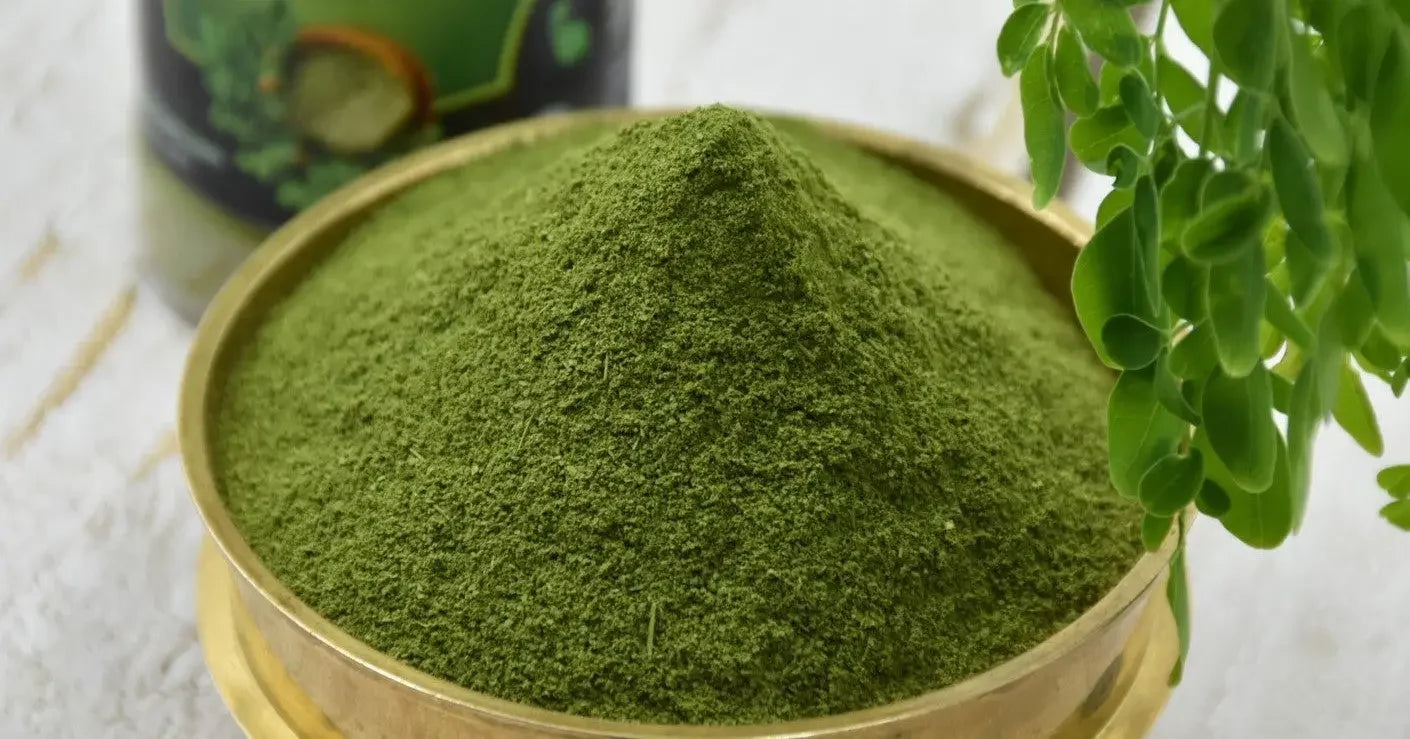
Once dried and ground, moringa leaves form a fine, deep green powder with a naturally earthy, spinach-like flavor and a smooth texture. This powder can be easily added to both food and drinks, making it a favorite among those looking to enrich their meals naturally.
What Makes Moringa Stand Out?
1. Versatility in the Kitchen
Unlike some green powders that have a strong or overpowering taste (like spirulina or chlorella), moringa powder has a more neutral, earthy flavor. This makes it incredibly easy to use in a variety of recipes—both sweet and savory.
It pairs well with:
-
Smoothies and juices
-
Yogurt and parfaits
-
Curries, soups, and rice
-
Muffins, pancakes, and baked goods
-
Sauces, dressings, and dips
This versatility means that moringa isn’t limited to just wellness drinks—it can become a part of your everyday cooking.
2. Mild Flavor & Bright Green Color
While matcha and spirulina can have sharp or distinct flavor notes, moringa's mild spinach-like taste doesn’t overpower your dishes. This makes it a flexible ingredient, especially for people who are just starting to experiment with green powders.
Its vibrant green color also adds a beautiful natural hue to meals, making it great for those who enjoy Instagram-worthy recipe creations.
3. Naturally Sourced and Minimally Processed
Moringa powder is typically made by air-drying moringa leaves at low temperatures and then grinding them into a fine powder. This minimal processing keeps the powder closer to its original state, retaining its natural aroma, taste, and texture.
Unlike some highly refined powders, moringa is often offered in its most natural form, without added flavors, sugars, or preservatives. Always check labels to ensure you’re purchasing 100% pure moringa powder.
4. Cultural and Traditional Roots
Moringa isn’t just a trend—it has a long history. Used traditionally in Indian, African, and Southeast Asian households, moringa leaves have been added to stews, lentil dishes, and teas for generations.
Today, that traditional knowledge blends with modern kitchens, making moringa a globally recognized green powder that bridges ancient food wisdom with today’s culinary creativity.
5. Longer Shelf Life Compared to Fresh Greens
Fresh leafy greens wilt quickly, but moringa powder—when stored correctly—can last for several months while maintaining its quality.
When stored in a cool, dark, dry place in an airtight container, moringa powder retains its vibrant color, aroma, and usability. This makes it an ideal pantry ingredient for those who want to keep green goodness on hand without frequent trips to the store.
Comparing Moringa to Other Green Powders
| Feature | Moringa Powder | Matcha | Spirulina | Wheatgrass |
|---|---|---|---|---|
| Flavor | Mild, earthy, leafy | Bitter, grassy | Strong, seaweed-like | Sweet, grassy |
| Color | Deep green | Bright green | Dark green-blue | Light green |
| Culinary Use | Very versatile | Mostly drinks, desserts | Limited (due to flavor) | Mostly smoothies |
| Cultural Background | South Asian, African | Japanese | Global | Western wellness |
| Common Uses | Meals, drinks, baking | Lattes, sweets | Smoothies, tablets | Juices, powders |
How to Get Started With Moringa
Want to try moringa in your own kitchen? Here are simple ways to add moringa powder to your routine:
-
Start with smoothies: Blend it with banana, mango, or berries.
-
Stir into sauces: Add to salad dressings, hummus, or dips.
-
Mix into oats: Stir into overnight oats or warm porridge.
-
Bake with it: Add 1 tsp to muffin or pancake batter.
-
Sprinkle on snacks: Mix into popcorn seasoning or roasted nuts.
Final Thoughts
Among the growing list of green powders available today, moringa powder stands out for its flavor, flexibility, and authenticity. With its roots in traditional cuisines and its growing presence in modern recipes, moringa proves that some super ingredients aren’t just trends—they’re timeless.
Whether you’re looking to upgrade your smoothie game or bring something new to your dinner table, moringa powder offers a natural and creative way to go green.